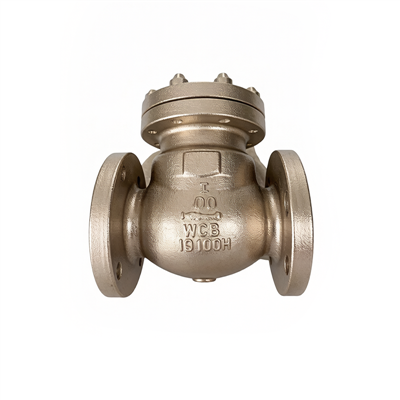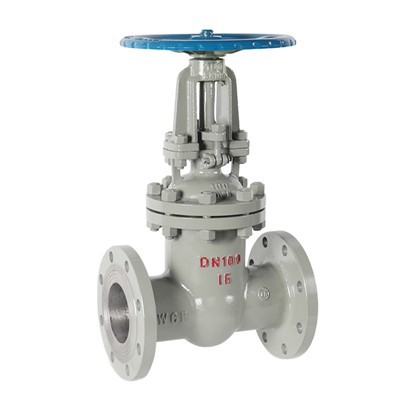
In the realm of industrial fluid control, Threaded Globe Valves play a crucial role, especially when dealing with corrosive fluids. As a supplier of Threaded Globe Valves, I understand the significance of selecting the right materials to ensure the valve's longevity and optimal performance in such challenging environments. This blog aims to explore the materials that are suitable for corrosive fluid applications in a Threaded Globe Valve.
Understanding Corrosive Fluids
Corrosive fluids can range from acidic solutions, alkaline substances, to various chemical mixtures. These fluids have the potential to damage the valve components over time, leading to leaks, reduced flow control, and ultimately, system failure. Therefore, choosing the appropriate materials for the valve is of utmost importance.
Key Considerations in Material Selection
When selecting materials for a Threaded Globe Valve in corrosive fluid applications, several factors need to be taken into account:
- Chemical Resistance: The material must be able to withstand the chemical properties of the fluid. Different corrosive fluids have different levels of aggressiveness, and the material should be resistant to the specific chemicals present.
- Mechanical Properties: The material should have sufficient strength and hardness to withstand the pressure and flow conditions within the valve. It should also be able to maintain its shape and integrity under stress.
- Temperature Resistance: Corrosive fluids may be used at different temperatures. The material should be able to perform well within the temperature range of the application.
- Cost-Effectiveness: While high-performance materials may offer excellent corrosion resistance, they can also be expensive. It is important to find a balance between performance and cost.
Suitable Materials for Corrosive Fluid Applications
Stainless Steel
Stainless steel is a popular choice for Threaded Globe Valves in corrosive fluid applications. It offers good corrosion resistance, especially against mild acids and alkalis. The most common grades of stainless steel used in valve manufacturing are 304 and 316.
- 304 Stainless Steel: This grade is widely used due to its good corrosion resistance and relatively low cost. It is suitable for applications involving mild corrosive fluids, such as water, mild acids, and some organic solvents.
- 316 Stainless Steel: This grade contains molybdenum, which enhances its corrosion resistance, especially against chloride-containing environments. It is commonly used in applications where the fluid contains saltwater or other chloride-rich solutions.
Hastelloy
Hastelloy is a family of nickel-based alloys known for their excellent corrosion resistance in a wide range of aggressive environments. These alloys are particularly suitable for applications involving strong acids, such as sulfuric acid, hydrochloric acid, and nitric acid.
- Hastelloy C-276: This alloy offers outstanding resistance to a variety of corrosive media, including pitting, crevice corrosion, and stress corrosion cracking. It is commonly used in chemical processing, petrochemical, and pharmaceutical industries.
- Hastelloy B-3: This alloy is specifically designed for applications involving hydrochloric acid and other reducing acids. It has excellent resistance to corrosion in these environments.
Titanium
Titanium is a lightweight and strong metal with excellent corrosion resistance. It is particularly suitable for applications involving seawater, brine, and other chloride-containing environments. Titanium also has good resistance to many acids and alkalis.
- Grade 2 Titanium: This is the most commonly used grade of titanium in valve manufacturing. It offers good corrosion resistance and is relatively easy to machine.
- Grade 5 Titanium: This grade contains aluminum and vanadium, which enhances its strength and hardness. It is commonly used in applications where high strength and corrosion resistance are required.
Ceramic
Ceramic materials are known for their excellent corrosion resistance and high hardness. They are particularly suitable for applications involving abrasive and corrosive fluids.
- Alumina Ceramic: This material has high hardness and good corrosion resistance. It is commonly used in applications where the fluid contains abrasive particles, such as slurries.
- Zirconia Ceramic: This material offers excellent corrosion resistance and high toughness. It is commonly used in applications where the fluid is highly corrosive and the valve needs to withstand high pressures.
Case Studies
To illustrate the importance of selecting the right materials for corrosive fluid applications in a Threaded Globe Valve, let's consider a few case studies:
Chemical Processing Plant
A chemical processing plant was experiencing frequent valve failures due to the corrosive nature of the fluids being handled. The original valves were made of carbon steel, which was not resistant to the acids and alkalis in the process. After replacing the valves with Threaded Globe Valves made of Hastelloy C-276, the plant was able to reduce valve failures and improve the overall efficiency of the process.
Water Treatment Facility
A water treatment facility was using Threaded Globe Valves made of 304 stainless steel to control the flow of chlorinated water. However, the valves were experiencing pitting and corrosion due to the high chlorine content in the water. After replacing the valves with Threaded Globe Valves made of 316 stainless steel, the facility was able to extend the lifespan of the valves and reduce maintenance costs.


Conclusion
Selecting the right materials for corrosive fluid applications in a Threaded Globe Valve is crucial for ensuring the valve's longevity and optimal performance. Stainless steel, Hastelloy, titanium, and ceramic are all suitable materials, depending on the specific requirements of the application. By considering factors such as chemical resistance, mechanical properties, temperature resistance, and cost-effectiveness, you can choose the material that best meets your needs.
If you are in the market for Threaded Globe Valves for corrosive fluid applications, we are here to help. Our company offers a wide range of Threaded Globe Valve options, including Bellow Sealed Globe Valve and ANSI Steel Globe Valve, made from high-quality materials to ensure reliable performance in challenging environments. Contact us today to discuss your specific requirements and let us help you find the perfect solution for your application.
References
- ASM Handbook Volume 13A: Corrosion: Fundamentals, Testing, and Protection. ASM International.
- Valve Handbook: Principles and Applications. Butterworth-Heinemann.
- Corrosion Resistance of Engineering Materials. McGraw-Hill.