



Ball Valve
Technical Specification and Procurement Guide
Ball valves utilize a quarter-turn rotary ball to open, close, or isolate a flow path. They are widely applied in industrial piping, process equipment, utility systems, and fluid-handling systems where compact construction and positive shut-off are required.
A typical ball valve consists of a valve body, ball, stem, seats, sealing elements, end connections, and a handle or actuator. The stem rotates the ball approximately 90 degrees between open and closed positions to control fluid flow.
However, procuring the correct ball valve depends on multiple factors beyond nominal pipe size. Valve body material, seat and seal materials, pressure rating, temperature limits, port configuration, end connection, operating method, and service medium all determine operational suitability.


Core Configurations and Construction Options
Core Configurations
• 2-Way Ball Valve: Provides a straight-through flow path used primarily for on/off pipeline isolation, equipment shut-off, and utility systems.
• 3-Way Ball Valve: Features multiple flow paths designed for flow switching or diversion.
• Full Port Ball Valve: Features a bore through the ball that closely matches the nominal flow passage, minimizing pressure drop.
• Reduced Port Ball Valve: Utilizes a smaller flow passage through the ball, offering a compact or cost-effective solution where a reduced bore is acceptable.
Construction Options
• Floating Ball Valve: The ball is not mechanically fixed by a lower trunnion, allowing line pressure to contribute to the seating force for general-purpose isolation.
• Trunnion-Mounted Ball Valve: Supported by an additional mechanical structure, making it ideal for larger sizes and higher-pressure applications where torque and load management are critical.
End Connections and Operation Methods
End Connection Types
• Threaded Ends: Commonly used on smaller piping systems and equipment connections.
• Flanged Ends: Suitable for systems requiring bolted connections, defined by flange standard, pressure class, face type, and face-to-face dimensions.
• Socket-Weld Ends: Permanently joined to compatible piping through welding.
• Butt-Weld Ends: Applied in continuous welded process piping systems.
Operation Methods
• Manual Operation: Operated via lever, handle, or gearbox for systems not requiring frequent remote control.
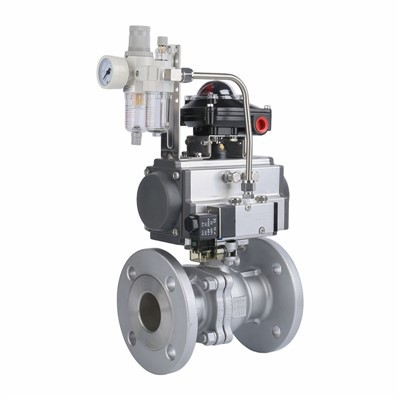
• Pneumatic Actuation: Utilized for automated operation based on operating torque, air pressure, fail position, and control requirements.
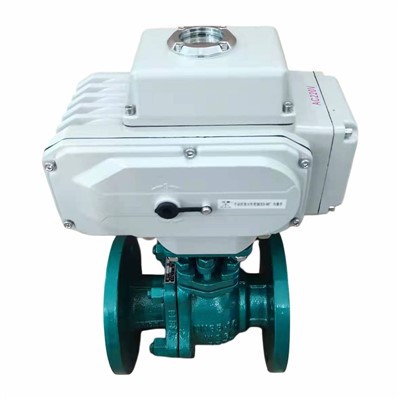
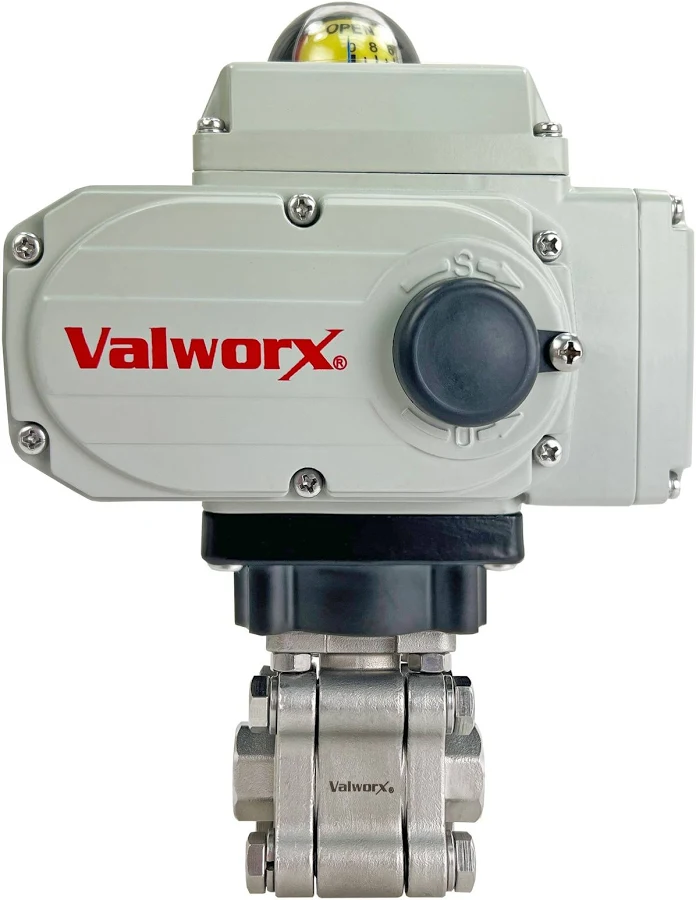
• Electric Actuation: Integrated when electrical control, automated positioning, and specific duty cycles are required.
Define the Service Medium: Identify the fluid or gas (water, air, natural gas, oil, fuel, steam utility, or chemical fluids) to determine material compatibility for wetted components.
Confirm Valve Size: Specify nominal pipe size, valve bore, connection size, and face-to-face dimensions against the actual piping system.
Confirm Pressure Rating: Match the valve pressure capability, class, or working pressure with system operating limits while factoring in temperature variations.
Confirm Operating Temperature: Evaluate normal, maximum, and minimum operating temperatures to ensure seat and seal material stability.

Select Valve Body Material: Choose verified material grades such as carbon steel, stainless steel, ductile iron, cast iron, brass, or bronze based on corrosion exposure and mechanical requirements.
Select Seat and Seal Materials: Specify exact material grades like PTFE, reinforced PTFE, elastomers, or graphite rather than generic descriptions.
Select Port Configuration: Choose between full port and reduced port configurations based on flow requirements and pressure drop limits.
Select End Connection: Define the exact combination of valve size, connection type, and dimensional standard.
Manufacturing, Standards Compliance, and Quality Control
Industrial valve quality relies on structured manufacturing, recognized international design codes, and rigorous inspection steps:
Design & Manufacturing Standards Compliance: Valves can be engineered and manufactured to adhere to major international compliance frameworks such as API 6D, ASME B16.34, ISO 9001, and CE/PED directives to satisfy global project requirements.
Material Verification: Ensures material documentation and traceability align with specified metallurgical certificates.
Machining: Controls critical dimensions and surface conditions for body, ball, and stem interfaces.
Ball and Seat Fit: Evaluates machining accuracy, surface finish, and assembly condition to manage sealing performance and operating torque.
Pressure and Leakage Testing: Conducts shell and seat leakage testing according to defined procedures, pressures, and durations in compliance with industry standards.
Frequently Asked Questions