



Type Strainer
Type Strainer Technical Guide & Procurement Specification
Industrial pipeline strainers for removing solid particles before they reach pumps, valves, meters, and other downstream equipment.
Type Strainers are mechanical filtration components installed in fluid piping systems to capture suspended solids and protect downstream equipment from contamination and particle damage.
For procurement teams, the correct strainer selection depends on more than nominal pipe size. Body material, screen construction, filtration opening, pressure rating, connection type, flow direction, pressure drop, cleaning access, and operating conditions all need to match the actual piping system.
Our Type Strainer range can be configured according to the required pipeline connection, material, filtration specification, and application conditions.

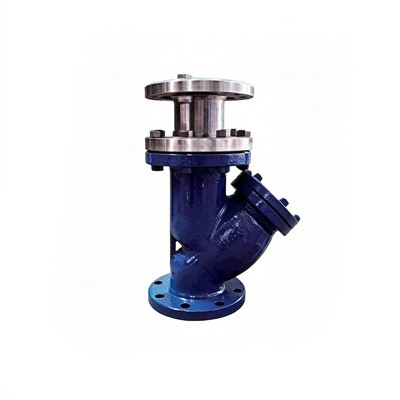

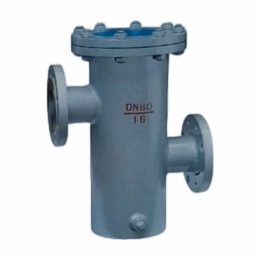
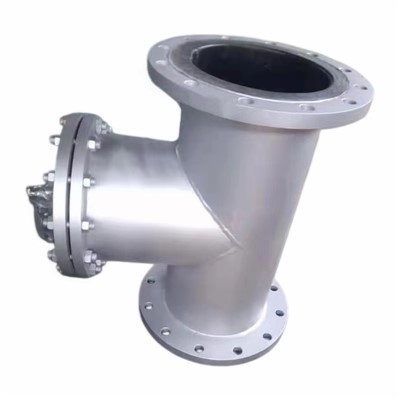
Type Strainer at a Glance
|
Item |
Selection Consideration |
|
Product type |
Pipeline mechanical strainer |
|
Main function |
Removal of solid particles from flowing fluid |
|
Installation |
Inline pipeline installation |
|
Filtration element |
Removable strainer screen |
|
Body material |
Selected according to fluid, pressure, temperature, and corrosion conditions |
|
Screen material |
Selected according to filtration and media requirements |
|
Filtration opening |
Specified according to particle size and allowable pressure drop |
|
End connections |
Threaded, flanged, welded, or other specified connections |
|
Pressure rating |
Must match the system design pressure |
|
Operating temperature |
Determined by body, gasket, screen, and fluid conditions |
|
Maintenance |
Screen inspection, cleaning, and replacement as required |

A Type Strainer uses a perforated or mesh filtration element to intercept solid particles carried by the process fluid.
As fluid passes through the strainer, particles larger than the specified filtration opening are retained on the screen. The filtered fluid continues downstream while the accumulated debris remains inside the strainer body.
The screen must provide enough open area for the required flow rate without creating an unacceptable pressure drop. This makes strainer selection a balance between:
• Particle retention
• Flow capacity
• Pressure loss
• Screen strength
• Cleaning frequency
• Available installation space
For systems with high contamination levels, the accessible screen area and maintenance arrangement can be as important as the nominal pipe connection.
Type Strainer Selection Guide
The correct configuration should be selected from the actual operating conditions rather than pipe size alone.
Select the Strainer Configuration
The required construction depends on the piping layout, available space, flow direction, contamination level, and maintenance requirements. Common industrial configurations include:
• Y Strainer: Compact inline configuration for applications where installation space is limited.
• Basket Strainer: Larger filtration area and convenient screen removal for applications requiring regular cleaning.
• T-Type Strainer: Used where the piping arrangement and required filtration chamber geometry favor a T-type construction.
• Duplex Strainer: Allows one filtration chamber to remain in service while the other is isolated for cleaning, where continuous operation is required.
• Temporary Strainer: Used during commissioning or initial operation to capture construction debris and temporary contamination.
Select the Body Material
Body material should be selected according to the process medium and operating environment. Common material categories include carbon steel, stainless steel, cast iron, ductile iron, and special corrosion-resistant alloys (such as Monel, Hastelloy, or Duplex stainless steel for severe environments).
The material decision should consider fluid compatibility, corrosion conditions, operating temperature, design pressure, required service life, and applicable project specifications. Material selection should not be based on price alone.
Select the Screen
The screen is the primary filtration component and directly affects particle retention and pressure drop. Important screen specifications include screen material, mesh or opening size, perforation diameter, filtration area, screen thickness, support structure, removability, and replacement availability.
A smaller filtration opening provides finer particle retention but can increase pressure drop and blockage frequency. Selecting the finest possible screen is not necessarily the correct engineering choice.
Select the Connection and Standards
The strainer connection must correspond to the existing piping system and international piping standards. Common connection standards supported include ASME / ANSI, DIN / EN, JIS, and GB.
Possible configurations include flanged, threaded, socket or butt welded, or other project-specific connections. The procurement specification should identify the connection standard, nominal size, pressure class or rating, and face-to-face dimensions. For replacement applications, buyers should verify existing face-to-face dimensions rather than relying only on the nominal pipe size.
Key Parameters to Specify When Ordering
A complete technical inquiry or specification should normally include the following information:
Pipeline Information
Nominal pipe size, pipeline connection type, connection standard, installation orientation, available installation space.
01
Operating Conditions
Fluid or process medium, normal flow rate, maximum flow rate, operating pressure, maximum design pressure, operating temperature, maximum design temperature.
02
Filtration Requirements
Required particle size, mesh size or opening size, required filtration area, allowable pressure drop, cleaning frequency or maintenance requirements.
03
Construction & Customization
Strainer configuration, body material, screen material, gasket material, cover or bonnet arrangement, drain or blow-off requirement, and estimated lead time for custom builds.
04
Compliance
Required design or manufacturing standard, inspection requirements, pressure testing requirements, material documentation, traceability requirements, project-specific certification requirements.
05
Pump Protection: Strainers are commonly installed upstream of pumps to intercept particles that could damage internal components or reduce pump performance. Pressure drop deserves particular attention because excessive restriction can affect pump operating conditions.
Valve Protection: Particles entering control valves, regulating valves, and other flow-control components can interfere with proper operation or accelerate wear.
Industrial Process Piping: Process systems may require strainers to protect downstream equipment from particulate contamination originating from the process medium, piping system, or upstream equipment.
Water and Cooling Systems: Strainers can be used in industrial water, cooling-water, circulation, and utility piping to remove suspended solids before they reach pumps, heat exchangers, valves, or other equipment.
Chemical and Corrosive Service: For chemical applications, body, screen, gasket, and sealing materials must be evaluated together based on fluid composition, concentration, temperature, pressure, and exposure conditions.

Maintenance and Screen Cleaning
A strainer is a maintenance component as well as a filtration component. Routine maintenance normally involves:
• Isolating the strainer from the process line.
• Removing or opening the designated cover.
• Removing the screen.
• Inspecting the screen for blockage or damage.
• Cleaning the screen using a method compatible with the screen material.
• Inspecting sealing surfaces and gaskets.
• Reinstalling the screen correctly.
• Returning the strainer to service and checking for leakage.
For applications with continuous operation requirements, a duplex arrangement may be considered where the system design permits one chamber to remain operational while the other is serviced.
Frequently Asked Questions