



Butterfly Valve
Industrial Butterfly Valves for Pipeline Isolation and Flow Control
Butterfly valves use a rotating disc to open, close, or regulate flow through a pipeline. Their compact construction, low weight, and short installation length make them a practical choice for large-diameter piping systems. Selecting the appropriate valve requires evaluating more than just pipe size; factors such as media, pressure, temperature, connection type, seat and body materials, operating method, and applicable international standards must all be considered.
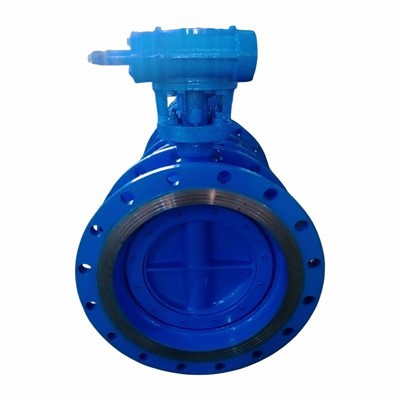
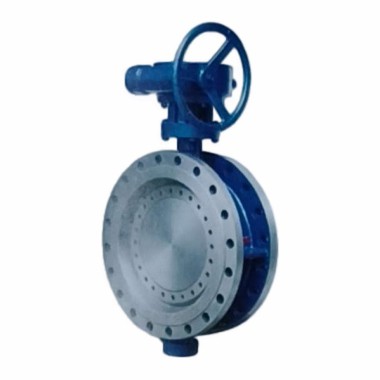
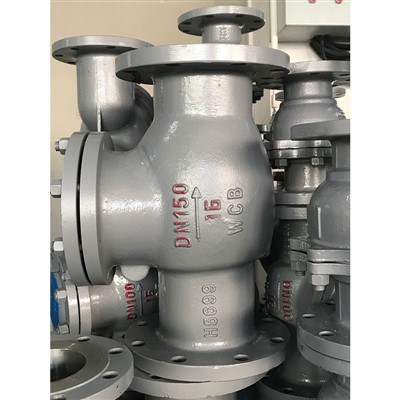
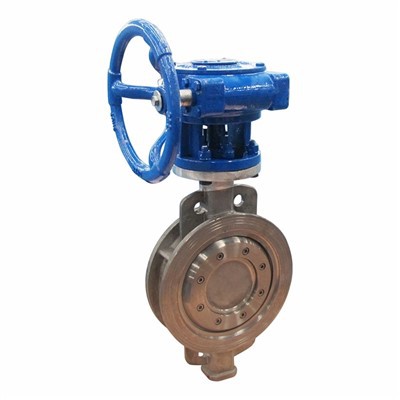
Butterfly Valve at a Glance
|
Item |
Selection Consideration |
|
Valve Type |
Wafer, lug, flanged, eccentric designs, etc. |
|
Nominal Size |
DN or NPS according to pipeline specs |
|
Pressure Rating |
Matched to operating and design pressure |
|
Body Material |
Ductile iron, cast iron, carbon steel, stainless steel |
|
Disc Material |
Selected for pressure, corrosion, and media compatibility |
|
Seat Material |
Matched to medium and operating temperature |
|
Stem Material |
Based on mechanical strength and corrosion resistance |
|
Operation |
Manual, gear, pneumatic, or electric actuation |
|
Connection |
Wafer, lug, flanged, or custom pipeline interface |
|
Medium |
Water, air, chemicals, process fluids, etc. |
|
Testing |
Pressure and leakage testing per applicable specifications |
|
Documentation |
Drawings, material information, test reports, and compliance certificates |

Wafer Butterfly Valve: Installed between pipe flanges, ideal for compact arrangements. Widely used in water, HVAC, utility, and general industrial piping. Requires checking flange standards, pressure ratings, face-to-face dimensions, and disc clearance.
Lug Butterfly Valve: Features threaded or tapped lugs around the body, allowing independent flange-side installation or removal. Confirm bolt patterns, installation orientation, and flange compatibility before ordering.
Flanged Butterfly Valve: Connects directly to pipeline flanges using a bolted connection. Commonly chosen for larger piping systems and robust industrial applications requiring high structural integrity.
Eccentric Butterfly Valve: Moves the disc away from the centerline during operation to reduce seat contact and wear. Matched to specific pressure, temperature, cycle frequency, and leakage requirements.
How to Select the Right Butterfly Valve
Pipeline Size
Confirm DN or NPS from piping specifications. Ensure internal disc clearance and face-to-face length are compatible with your system.
01
Pressure Rating
Verify operating pressure, design pressure, pressure fluctuations, and temperature-dependent pressure limitations.
02
Medium
Identify the fluid (water, wastewater, air, chemicals, process fluids). Corrosive or abrasive media require specialized material reviews for the body, disc, stem, and seat.
03
Seat Material
Choose based on medium composition, temperature, pressure, chemical compatibility, and required leakage class (e.g., EPDM, PTFE, NBR).
04
Body and Disc Materials
Match materials to the operating environment rather than price. Options range from cast iron/ductile iron for general service to carbon steel and stainless steel for enhanced strength or corrosion resistance.
05
Manual: Levers/handles for smaller valves.
Gear: Mechanical advantage for larger or higher-torque valves.
Pneumatic: Automated operation using compressed air; requires proper actuator sizing, safety factors, and fail-position checks.
Electric: Motor-driven actuators for remote operation; verify voltage, control signals, duty cycle, and fail-safe needs.

Key Applications
Water and Wastewater: Distribution, treatment plants, pumping systems, and filtration pipelines.
HVAC and Building Services: Chilled water, cooling water, and heating systems in space-limited valve rooms.
Industrial and Chemical Processing: Demands strict chemical compatibility reviews for wetted materials, concentration, temperature, and cycle frequency.
Marine and Utilities: Focuses heavily on corrosion resistance, environmental exposure, protective coatings, and certified materials.
Manufacturing, Quality Control & Global Standards
Reliable industrial valves depend on controlled manufacturing processes and compliance with recognized engineering frameworks:
Production Flow: Raw Material -> Machining -> Component Inspection -> Assembly -> Pressure Testing -> Leakage Testing -> Functional Inspection -> Surface Treatment -> Final Inspection -> Packaging.
Quality Checks: Casting/forging verification, CNC machining accuracy for sealing surfaces, shell and seat leakage testing, and operational travel checks for actuated valves.
International Standards Compliance: Depending on project requirements, designs and testing procedures align with recognized global frameworks (such as ISO, API, ASME, DIN, or JIS standards) to ensure seamless integration into international piping systems.
FAQ