



Threaded Valve
Threaded Valve
Compact Threaded Connection Valves for Industrial Piping Systems
Threaded valves provide a practical solution for applications requiring compact installation, easy replacement, and reliable shut-off control in small and medium-size piping systems. Backed by years of manufacturing expertise and strict adherence to international quality standards (such as ISO9001 and CE), our threaded valves are engineered to meet rigorous industrial fluid control requirements. Available with common thread standards including NPT and BSP configurations, these valves can be supplied in different body materials, pressure classes, sealing materials, and operating configurations.
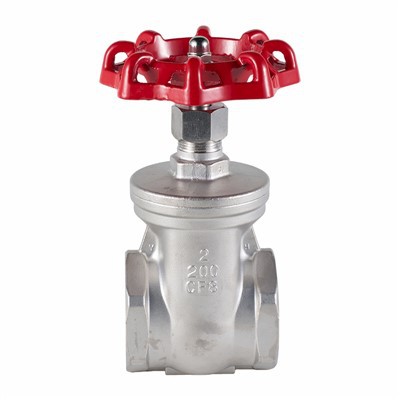
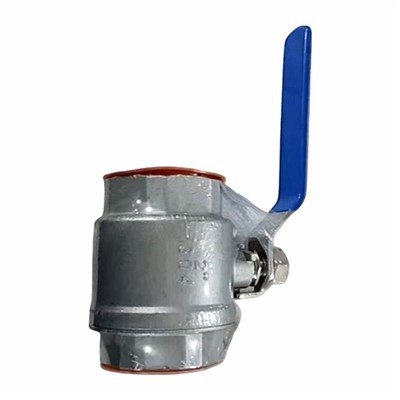
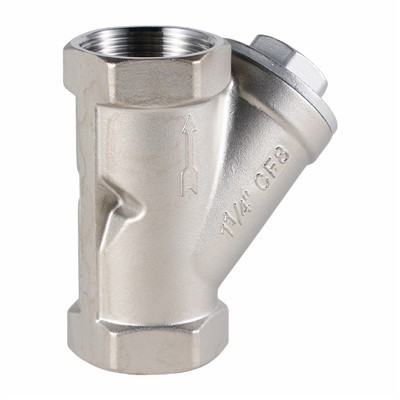
Product Overview
Threaded valves are designed for piping systems where welded or flanged connections are not required. The threaded connection allows faster installation and easier maintenance, making these valves widely used in industrial equipment, utility systems, HVAC installations, and process piping.
Key Features
Threaded Connection Design
Threaded ends provide a compact connection method suitable for equipment piping and smaller diameter systems.
Available options:
• NPT threaded connection
• BSP threaded connection
• Custom thread specifications
Material Options
Typical materials include:
• Valve Body: Stainless Steel, Brass, Carbon Steel, Cast Iron
• Stem: Stainless Steel
• Seat: PTFE, Metal, Elastomer Options
• Seal: NBR, EPDM, PTFE
Material selection depends on:
• Fluid type
• Corrosion requirements
• Temperature conditions
• Pressure rating
Compact Installation
Compared with flanged valves, threaded valves offer:
• Smaller installation space
• Lower connection cost
• Easier replacement
• Reduced system complexity
Reliable Flow Control
Manufacturing processes include:
• Precision machining
• Thread processing
• Component assembly
• Pressure testing
• Leakage inspection
Product Specifications
|
Parameter |
Options |
|
Valve Type |
Ball Valve, Gate Valve, Globe Valve, Check Valve, Needle Valve |
|
Connection |
Threaded End |
|
Thread Standard |
NPT, BSPT, BSPP, Metric |
|
Size Range |
Customized according to requirements |
|
Body Material |
Stainless Steel, Brass, Carbon Steel, Cast Iron |
|
Pressure Rating |
Customized |
|
Medium |
Water, Oil, Gas, Air, Chemicals |
|
Temperature Range |
Depends on Material and Seal Selection |
|
Operation |
Manual, Pneumatic, Electric |

Choose the Correct Thread Standard
• NPT Thread: Suitable for North American industrial systems and general industrial piping.
• BSP Thread: Common in European markets and international equipment projects.
Choose Suitable Valve Material
• Stainless Steel: Recommended for corrosive environments, chemical applications, and food processing systems.
• Brass: Common for water systems, HVAC, and general utility applications.
• Carbon Steel: Used for industrial pipelines and higher strength requirements.
Applications
Industrial Equipment
Pumps, compressors, machinery systems, and skid-mounted equipment.
HVAC Systems
Cooling circuits, heating systems, and water control lines.
Water Treatment
Pipeline isolation, equipment connection, and maintenance sections.
Pneumatic Systems
Suitable for compressed air systems and control equipment.
A reliable threaded valve requires controlled production from raw material inspection to final testing.
Typical manufacturing process:
• Material inspection
• Casting or forging process
• CNC machining
• Thread machining
• Component assembly
• Pressure testing
• Final inspection
• Packaging
Quality checks include:
• Dimensional inspection
• Thread gauge inspection
• Shell pressure test
• Seat leakage test
• Appearance inspection

What Global Buyers Look for in a Threaded Valve Manufacturer
Professional buyers evaluate suppliers based on:
Technical Capability
Ability to provide different thread standards, multiple materials, and customized specifications.
Manufacturing Control
Stable machining process, consistent product dimensions, and reliable testing procedures.
Documentation Support
Product drawings, material certificates, inspection reports, test records, and international standard compliances.
FAQ