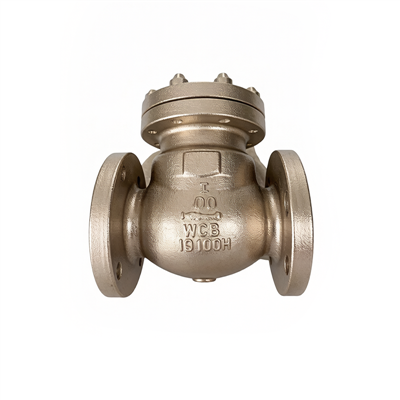
When it comes to marine applications, the cast steel gate valve plays a crucial role in ensuring the smooth and safe operation of various systems on ships. As a cast steel gate valve supplier, I have witnessed firsthand the unique challenges and special requirements that these valves must meet in the marine environment. In this blog post, I will delve into the specific demands placed on cast steel gate valves in marine applications.
Corrosion Resistance
One of the most significant challenges in marine applications is the constant exposure to saltwater, which is highly corrosive. Cast steel gate valves used in marine settings must have excellent corrosion resistance to prevent degradation over time. This is crucial for maintaining the integrity of the valve and ensuring its long - term performance.
Stainless steel is often a popular choice for marine gate valves due to its inherent corrosion - resistant properties. Our Stainless Steel Gate Valve is designed to withstand the harsh marine environment. The chromium content in stainless steel forms a passive oxide layer on the surface, which protects the metal from further corrosion. However, even stainless steel can be susceptible to pitting and crevice corrosion in certain conditions, so proper material selection and surface treatment are essential.
In addition to stainless steel, special coatings can be applied to cast steel gate valves to enhance their corrosion resistance. These coatings act as a barrier between the valve and the corrosive environment, providing an extra layer of protection. For example, epoxy coatings are commonly used in marine applications as they offer good adhesion and chemical resistance.
Pressure and Temperature Resistance
Marine systems operate under a wide range of pressures and temperatures. Cast steel gate valves must be able to withstand these variations without compromising their functionality. High - pressure systems on ships, such as those in the propulsion and hydraulic systems, require valves that can handle significant pressure differentials.
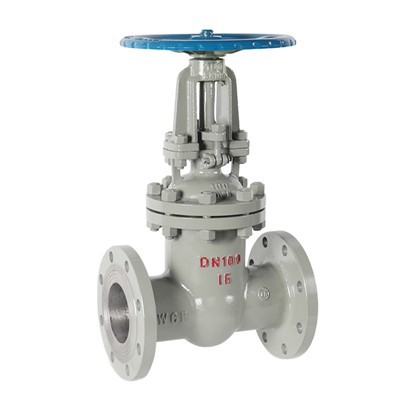
Our Cast Steel Gate Valve is engineered to meet the high - pressure requirements of marine applications. The valve body is designed with a robust structure to withstand the forces exerted by high - pressure fluids. The gate and seat are also carefully designed to ensure a tight seal under high - pressure conditions, preventing leakage.
Temperature variations in the marine environment can also be extreme. From the cold waters of the Arctic to the warm tropical seas, cast steel gate valves must be able to function effectively across a wide temperature range. The materials used in the valve construction must have good thermal stability to avoid deformation or failure due to temperature changes.
Sealing Performance
A reliable seal is essential for cast steel gate valves in marine applications. Leakage can lead to a variety of problems, including loss of fluid, environmental pollution, and damage to equipment. The sealing performance of a gate valve depends on several factors, such as the design of the gate and seat, the quality of the sealing materials, and the machining accuracy.
Our gate valves are designed with precision - machined gates and seats to ensure a tight seal. The sealing materials used are carefully selected for their compatibility with the fluids being handled and their ability to maintain a seal under different operating conditions. For example, elastomeric seals are often used in gate valves to provide a flexible and reliable seal.
Compliance with International Standards
In the marine industry, compliance with international standards is of utmost importance. Cast steel gate valves must meet various standards, such as those set by the American National Standards Institute (ANSI) and the International Maritime Organization (IMO). These standards ensure the safety, reliability, and performance of the valves in marine applications.
Our ANSI Stainless Steel Gate Valve is designed and manufactured in accordance with ANSI standards. This ensures that the valve meets the required specifications for dimensions, pressure ratings, and material quality. Compliance with these standards also makes it easier for shipbuilders and operators to integrate the valves into their systems.
Ease of Maintenance
Maintenance is an important aspect of ensuring the long - term performance of cast steel gate valves in marine applications. Valves that are easy to maintain can reduce downtime and maintenance costs. Our gate valves are designed with features that make them easy to disassemble, clean, and repair.
For example, the valve body is designed with access ports that allow for easy inspection and maintenance of the internal components. The gate and seat can be easily removed and replaced if necessary. Additionally, the use of standardized components makes it easier to source replacement parts.
Conclusion
In conclusion, cast steel gate valves in marine applications have several special requirements. They must have excellent corrosion resistance, be able to withstand a wide range of pressures and temperatures, provide reliable sealing performance, comply with international standards, and be easy to maintain. As a cast steel gate valve supplier, we are committed to providing high - quality valves that meet these requirements.


If you are in the market for cast steel gate valves for your marine applications, we invite you to contact us for a detailed discussion. Our team of experts can help you select the right valve for your specific needs and provide you with the best possible solutions.
References
- "Marine Valve Handbook", published by a leading industry publisher.
- Technical standards and guidelines from ANSI and IMO.