Can a stainless steel check valve be used in HVAC systems?
HVAC (Heating, Ventilation, and Air Conditioning) systems play a crucial role in maintaining comfortable and healthy indoor environments. These systems are complex and require a variety of components to function efficiently. One such component is the check valve. In this blog, we'll explore whether a stainless steel check valve can be used in HVAC systems, and why it might be a good choice. As a supplier of Stainless Steel Check Valve, we have in - depth knowledge of the product and its applications.
Understanding HVAC Systems and the Role of Check Valves
HVAC systems are designed to control the temperature, humidity, and air quality within a building. They involve the movement of air and sometimes fluids (such as water in chilled water systems). Check valves are essential in these systems as they allow the flow of fluid or air in one direction only, preventing backflow. Backflow can lead to inefficiencies, equipment damage, and potential health hazards. For example, in a water - based HVAC system, backflow could cause the mixing of hot and cold water, leading to inconsistent temperature control.
Why Stainless Steel for Check Valves in HVAC?
- Corrosion Resistance: HVAC systems often deal with water, which can be corrosive, especially if it contains minerals or chemicals. Stainless steel is highly resistant to corrosion, making it an ideal material for check valves in these environments. This corrosion resistance ensures the longevity of the check valve, reducing the need for frequent replacements. For instance, in a commercial building's HVAC system where the water source might have a high mineral content, a stainless steel check valve will not rust or corrode as quickly as a valve made from other materials.
- Strength and Durability: HVAC systems operate under various pressures. Stainless steel check valves can withstand high pressures without deforming or breaking. This strength is crucial for maintaining the integrity of the system. For example, in a large - scale industrial HVAC system with high - pressure water flow, a stainless steel check valve can handle the pressure and ensure reliable operation.
- Hygiene: In HVAC systems, especially those used in hospitals, schools, and food processing facilities, hygiene is of utmost importance. Stainless steel is a non - porous material that is easy to clean and disinfect. It does not harbor bacteria or other contaminants, making it suitable for applications where air quality and cleanliness are critical.
Types of Stainless Steel Check Valves Suitable for HVAC
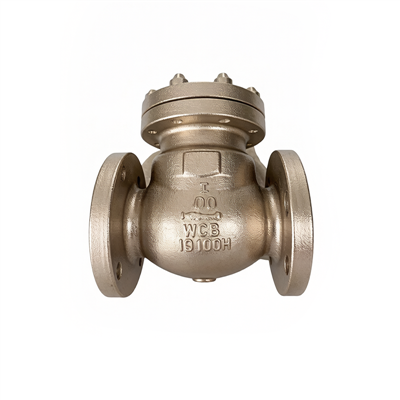
- Swing Check Valves: These are one of the most common types of check valves. They have a disc that swings open to allow flow in the forward direction and closes to prevent backflow. Swing check valves made of stainless steel are suitable for HVAC systems where the flow rate is relatively high and the pressure is moderate. They are reliable and easy to install.
- Lift Check Valves: Lift check valves have a disc that is lifted off its seat to allow flow. They are often used in applications where the flow is vertical or where a tight shut - off is required. Prevent Reflux Lifting Check Valve made of stainless steel can be a great option for HVAC systems, especially in chilled water systems where preventing backflow is crucial.
- Ball Check Valves: Ball check valves use a ball to control the flow. They are compact and can provide a quick response to changes in flow direction. Stainless steel ball check valves are suitable for HVAC systems where space is limited and a fast - acting check valve is needed.
Considerations When Using Stainless Steel Check Valves in HVAC
- Size and Flow Rate: It's important to select the right size of the check valve based on the flow rate of the HVAC system. An undersized valve can cause excessive pressure drop, while an oversized valve may not function properly. For example, in a small residential HVAC system, a smaller - sized stainless steel check valve would be appropriate, while a large commercial or industrial system would require a larger valve.
- Pressure Rating: The pressure rating of the check valve should match the operating pressure of the HVAC system. Using a valve with a lower pressure rating can lead to valve failure, while a valve with a much higher pressure rating may be more expensive than necessary.
- Temperature Compatibility: HVAC systems can operate at different temperatures. Stainless steel check valves should be able to withstand the temperature range of the system. For example, in a steam - based HVAC system, the check valve needs to be able to handle high temperatures without losing its integrity.
Case Studies
Let's take a look at a few case studies to illustrate the effectiveness of stainless steel check valves in HVAC systems.
In a large hotel, the HVAC system was experiencing issues with water backflow in the chilled water loop. The original check valves made of a less - durable material were corroded and not functioning properly. After replacing them with Stainless Steel Check Valve, the backflow problem was resolved. The new valves were able to withstand the pressure and the corrosive nature of the water, resulting in a more efficient and reliable HVAC system.


In a hospital, where air quality is critical, the ventilation system was equipped with stainless steel check valves. These valves helped prevent the backflow of contaminated air, ensuring a clean and healthy environment for patients and staff.
The Role of Cast Steel Check Valves in HVAC
While stainless steel check valves are often a top choice, Cast Steel Check Valve also have their place in HVAC systems. Cast steel check valves are known for their high strength and ability to handle high - pressure applications. In some large - scale industrial HVAC systems where the pressure is extremely high, cast steel check valves may be more suitable. However, they may not have the same level of corrosion resistance as stainless steel check valves, so they need to be used in appropriate environments.
Conclusion
In conclusion, stainless steel check valves can be an excellent choice for HVAC systems. Their corrosion resistance, strength, durability, and hygiene properties make them well - suited for the demands of these systems. Whether it's a small residential HVAC unit or a large commercial or industrial system, stainless steel check valves can help ensure efficient and reliable operation.
If you're in the market for high - quality check valves for your HVAC system, we're here to help. As a leading supplier of Stainless Steel Check Valve, we offer a wide range of products to meet your specific needs. Contact us to discuss your requirements and start a procurement negotiation.
References
- ASHRAE Handbook - HVAC Systems and Equipment.
- Manufacturer's specifications for stainless steel and cast steel check valves.