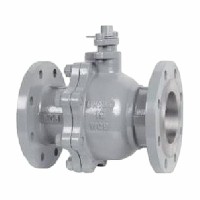
A ball valve is a type of quarter - turn valve that uses a spherical disc to control the flow of fluid through a pipe. In this blog, we'll explore what a ball valve is, its components, types, applications, and why you should consider us as your ball valve supplier.
Components of a Ball Valve
The main components of a ball valve include the valve body, the ball, the stem, and the seats. The valve body is the outer casing that houses all the other parts. It is typically made of materials such as brass, stainless steel, or cast iron, depending on the application requirements. The ball is the key element that controls the flow. It has a hole (bore) through the center. When the ball's bore is aligned with the pipe, the valve is in the open position, allowing fluid to flow freely. When the ball is rotated 90 degrees, the solid part of the ball blocks the flow, closing the valve.
The stem connects the ball to the actuator (the mechanism used to turn the valve). The actuator can be a simple handle for manual operation or a more complex device like an electric or pneumatic actuator for automated systems. The seats are located on either side of the ball and provide a seal when the valve is closed. They are usually made of materials like PTFE (Teflon) for soft - seated ball valves or metal for hard - seated ball valves.
Types of Ball Valves
There are several types of ball valves, each with its own characteristics and applications.
Floating Ball Valves
In a floating ball valve, the ball is not fixed in place but is free to move slightly. When the valve is closed, the pressure of the fluid pushes the ball against the downstream seat, creating a tight seal. Floating ball valves are commonly used in low - to medium - pressure applications.
Trunnion - Mounted Ball Valves
Trunnion - mounted ball valves are designed for high - pressure applications. The ball is supported by a trunnion, which is a fixed shaft at the top and bottom of the ball. This design reduces the load on the seats and allows the valve to operate more smoothly under high pressure.
Hard Seal Ball Valve
Hard seal ball valves use metal seats instead of soft materials like PTFE. They are suitable for applications where high temperatures, abrasive media, or high pressures are involved. The metal seats can withstand harsh conditions and provide a reliable seal over a long period.
Intergated Stainless Steel Cantonese Ball Valve
These valves are made of stainless steel, which offers excellent corrosion resistance. They are often used in applications where the fluid is corrosive, such as in chemical processing plants or water treatment facilities. The integrated design ensures a compact and reliable valve.
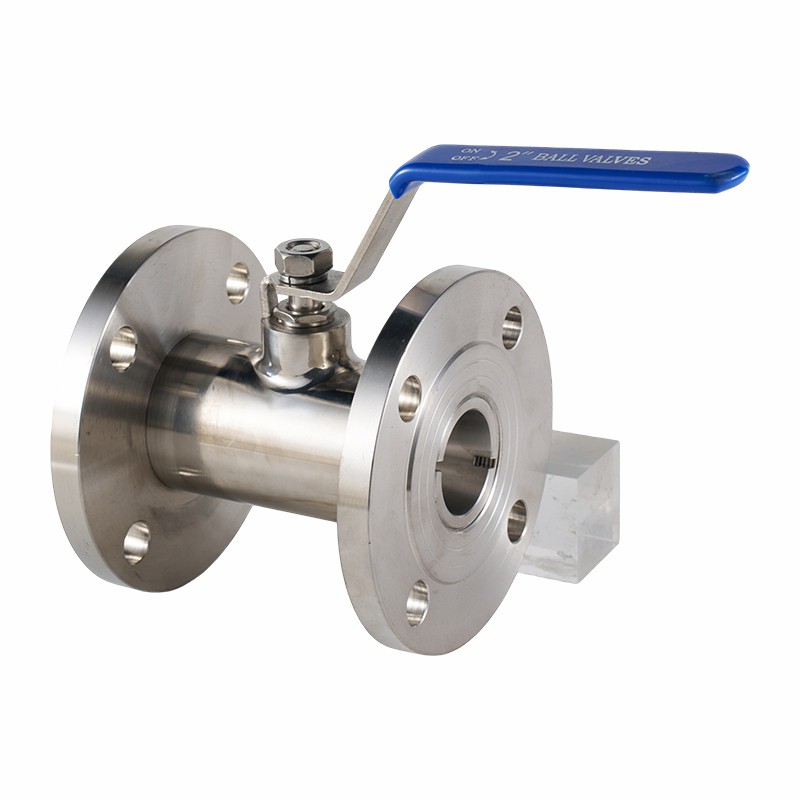

Steel Ball Valves
Steel ball valves are known for their strength and durability. They can handle high - pressure and high - temperature applications. Steel is a common material for industrial ball valves due to its mechanical properties and ability to withstand harsh environments.
Applications of Ball Valves
Ball valves are widely used in various industries due to their reliability, quick operation, and tight sealing.
Oil and Gas Industry
In the oil and gas industry, ball valves are used in pipelines, refineries, and offshore platforms. They are used to control the flow of oil, gas, and other fluids. For example, in a pipeline, ball valves can be used to isolate sections for maintenance or to control the flow rate.
Chemical Industry
The chemical industry requires valves that can handle corrosive and hazardous chemicals. Ball valves with appropriate materials, such as stainless steel or lined with corrosion - resistant materials, are commonly used. They are used in chemical storage tanks, reactors, and process pipelines.
Water Treatment
In water treatment plants, ball valves are used to control the flow of water, chemicals, and sludge. They can be used in intake systems, filtration processes, and distribution networks.
Power Generation
Power plants, whether they are fossil - fuel, nuclear, or renewable energy plants, use ball valves in various applications. For example, in a steam system, ball valves can be used to control the flow of steam and water.
Why Choose Us as Your Ball Valve Supplier
As a ball valve supplier, we offer several advantages.
Quality Products
We source our ball valves from reputable manufacturers that adhere to strict quality control standards. Our valves are made of high - quality materials and are designed to meet or exceed industry standards. Whether you need a simple manual ball valve or a complex automated valve, we can provide you with a reliable product.
Wide Range of Options
We offer a wide range of ball valves to meet different customer needs. From small - sized valves for residential applications to large - diameter valves for industrial use, we have the right valve for your project. Our product portfolio includes floating ball valves, trunnion - mounted ball valves, hard - seal ball valves, and more.
Technical Support
Our team of experts can provide you with technical support and advice. Whether you need help in selecting the right valve for your application, installation guidance, or troubleshooting, we are here to assist you. We have in - depth knowledge of ball valve technology and can help you make an informed decision.
Competitive Pricing
We understand the importance of cost - effectiveness. We strive to offer our customers competitive pricing without compromising on quality. Our purchasing power and efficient supply chain management allow us to keep our prices competitive in the market.
Contact Us for Ball Valve Purchases
If you are in the market for ball valves, we invite you to contact us for a detailed discussion. Our sales team is ready to assist you in selecting the right ball valve for your specific needs. Whether you are a small business or a large industrial corporation, we can provide you with the best solutions.
References
- Perry, R. H., & Green, D. W. (Eds.). (2008). Perry's Chemical Engineers' Handbook. McGraw - Hill.
- Crane Co. (1988). Flow of Fluids Through Valves, Fittings and Pipe. Technical Paper No. 410.