Hey there! As a supplier of ANSI Stainless Steel Gate Valves, I've seen my fair share of valve failures. In this blog, I'm gonna share some of the common failures of ANSI Stainless Steel Gate Valves that you might encounter.
1. Leakage
One of the most common problems with ANSI Stainless Steel Gate Valves is leakage. This can happen for a few reasons. First off, if the valve seat isn't properly seated or has been damaged, it can lead to leaks. The seat is where the gate of the valve makes contact to seal off the flow of fluid. Over time, the seat can wear out due to the constant friction with the gate, especially if the fluid being transported has abrasive particles.
Another cause of leakage can be a faulty stem packing. The stem packing is used to prevent fluid from leaking out around the valve stem. If the packing gets worn, loose, or damaged, it won't be able to do its job properly. This can result in a slow drip or even a significant leak.
2. Gate Sticking
Gate sticking is another frequent issue. The gate of the valve is supposed to move up and down smoothly to open and close the valve. But sometimes, it can get stuck in either the open or closed position. This can be due to debris getting into the valve body. For example, if there are small particles in the fluid, they can accumulate between the gate and the valve guides, preventing the gate from moving freely.
Corrosion can also cause the gate to stick. Stainless steel is generally resistant to corrosion, but in certain harsh environments, it can still corrode. If the gate corrodes, it can become rough and bind against the valve body, making it difficult to operate.
3. Erosion
Erosion is a big concern, especially in applications where the fluid is flowing at high velocities or contains abrasive materials. The constant flow of fluid over the valve components can wear them down over time. The gate, seat, and even the valve body can be affected by erosion. When the gate is eroded, it may not be able to form a proper seal, leading to leakage. And if the valve body is eroded, it can weaken the overall structure of the valve, potentially causing it to fail completely.
4. Cavitation
Cavitation occurs when the pressure of the fluid drops below its vapor pressure, causing vapor bubbles to form. When these bubbles collapse, they can create a high - energy shockwave that can damage the valve components. In an ANSI Stainless Steel Gate Valve, cavitation can erode the gate, seat, and other internal parts. It can also cause noise and vibration, which can further damage the valve and other connected equipment.
5. Improper Installation
Sometimes, the problem isn't with the valve itself but with how it's installed. If the valve isn't installed correctly, it can lead to a variety of issues. For example, if the valve isn't properly aligned with the pipeline, it can cause stress on the valve components, leading to premature failure. Also, if the bolts used to secure the valve aren't tightened to the correct torque, it can result in leakage.
6. Incorrect Sizing
Using the wrong size of ANSI Stainless Steel Gate Valve can also cause problems. If the valve is too small for the application, it can restrict the flow of fluid, leading to increased pressure and potential damage to the valve and the pipeline. On the other hand, if the valve is too large, it may not be able to control the flow effectively, and it can also be more prone to leakage and other issues.


How to Prevent These Failures
Now that we've discussed the common failures, let's talk about how to prevent them. Regular maintenance is key. This includes inspecting the valve for signs of wear, cleaning it to remove any debris, and replacing worn parts as needed. Using high - quality materials and following the manufacturer's installation and maintenance guidelines can also help prevent failures.
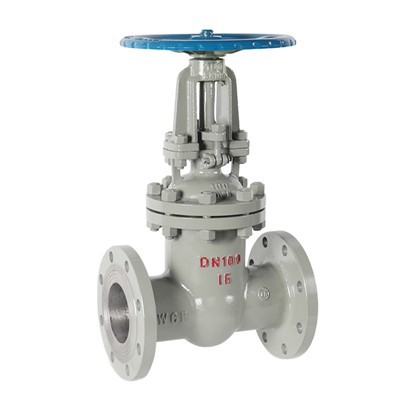
If you're in the market for an ANSI Stainless Steel Gate Valve, you can check out our ANSI Stainless Steel Gate Valve product page. We also offer Cast Steel Gate Valve and Stainless Steel Gate Valve options.
If you have any questions or are interested in purchasing our valves, don't hesitate to reach out. We're here to help you find the right valve for your application and ensure its proper installation and maintenance.
References
- Valve Handbook, by Butterworth - Heinemann
- Valve Technology and Application, by John R. Birkholz