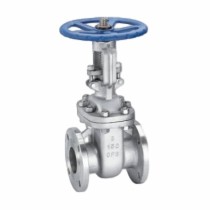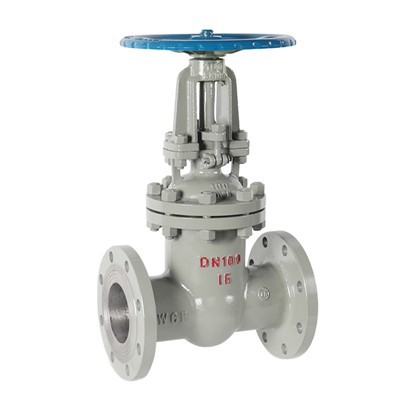
Hey there! As a supplier of Cast Steel Gate Valve, I'm super stoked to chat about the testing methods we use for these bad - ass valves. Cast steel gate valves are crucial components in a whole bunch of industries, from oil and gas to water treatment. Making sure they work flawlessly is our top priority, and that's where testing comes in.
Hydrostatic Testing
One of the most common testing methods for cast steel gate valves is hydrostatic testing. This test is all about checking the valve's ability to handle pressure without leaking. We fill the valve with a liquid, usually water, and then apply a specified pressure for a set period.
First off, we close the valve and seal all the openings. Then, we use a pump to gradually increase the pressure inside the valve. The pressure we apply is typically higher than the valve's normal operating pressure. This is to simulate extreme conditions and make sure the valve can withstand them.
During the test, we carefully monitor the valve for any signs of leakage. We look at the valve body, the seals, and all the connections. If there's even a tiny leak, it's a big red flag. We'll then take the valve apart, find the source of the leak, and fix it. Once the valve passes the hydrostatic test, we know it can handle the pressure in real - world applications.
Non - Destructive Testing (NDT)
Non - destructive testing is another important method we use. There are a few different types of NDT, but two of the most common ones for cast steel gate valves are ultrasonic testing and magnetic particle testing.
Ultrasonic Testing
Ultrasonic testing uses high - frequency sound waves to detect internal flaws in the valve. We use a special device that sends out ultrasonic waves into the valve. These waves travel through the metal and bounce back when they hit a flaw, like a crack or a void.
The device then measures the time it takes for the waves to return. By analyzing this data, we can figure out the size, location, and shape of the flaw. Ultrasonic testing is great because it can detect flaws that aren't visible on the surface. This helps us catch potential problems before they turn into major issues.
Magnetic Particle Testing
Magnetic particle testing is mainly used to detect surface and near - surface flaws in ferromagnetic materials, like cast steel. We first magnetize the valve using a magnetic field. Then, we sprinkle iron particles on the surface of the valve.


If there's a flaw, the magnetic field is disrupted, and the iron particles will gather around the flaw, making it visible. This method is quick and easy to use, and it can detect even very small flaws.
Visual Inspection
Visual inspection might seem simple, but it's actually a really important part of the testing process. Before we do any other tests, we give the valve a thorough visual check.
We look at the overall appearance of the valve, checking for any signs of damage, like cracks, dents, or corrosion. We also examine the valve's components, such as the gate, the stem, and the seat. We make sure everything is properly assembled and that there are no loose parts.
Visual inspection can also help us identify any manufacturing defects. For example, if the casting has rough edges or uneven surfaces, it could affect the valve's performance. By catching these issues early, we can make the necessary adjustments and ensure the valve meets our quality standards.
Operational Testing
Operational testing is all about making sure the valve functions as it should. We install the valve in a test setup and operate it multiple times. We open and close the valve to check its movement and responsiveness.
We also measure the torque required to open and close the valve. If the torque is too high, it could indicate a problem with the valve's internal components, like the stem or the packing. On the other hand, if the torque is too low, the valve might not seal properly.
During operational testing, we also check the valve's sealing performance. We make sure there's no leakage when the valve is closed. This is crucial, especially in applications where preventing fluid leakage is essential.
Performance Testing
Performance testing goes a step further than operational testing. It involves testing the valve under different operating conditions to evaluate its performance.
We might test the valve at different pressures, temperatures, and flow rates. For example, in an oil and gas application, the valve might need to operate at high pressures and temperatures. By testing the valve under these conditions, we can make sure it can handle the demands of the real - world environment.
We also measure the valve's flow characteristics, such as the flow coefficient (Cv). This helps us understand how well the valve controls the flow of fluid. A high Cv value means the valve allows more fluid to pass through, while a low Cv value indicates a more restrictive flow.
Why These Tests Matter
All these testing methods are essential for ensuring the quality and reliability of our Cast Steel Gate Valve. In industries where safety and efficiency are paramount, a faulty valve can have serious consequences.
For example, in a water treatment plant, a leaking valve could contaminate the water supply. In an oil refinery, a malfunctioning valve could lead to a dangerous leak or even an explosion. By thoroughly testing our valves, we can prevent these issues and provide our customers with products they can trust.
Other Types of Gate Valves
We also offer Stainless Steel Gate Valve and ANSI Stainless Steel Gate Valve. These valves have their own unique properties and are suitable for different applications.
Stainless steel gate valves are more corrosion - resistant than cast steel valves, making them ideal for applications where the fluid is corrosive. ANSI stainless steel gate valves are designed to meet the standards set by the American National Standards Institute, ensuring high - quality and compatibility with other components in the system.
Let's Connect
If you're in the market for high - quality cast steel gate valves or any of our other valve products, don't hesitate to reach out. We're here to answer all your questions and help you find the right valve for your needs. Whether you're a small business or a large industrial company, we've got the expertise and the products to meet your requirements.
References
- ASME Boiler and Pressure Vessel Code
- API Standards for Valves
- ASTM Standards for Steel Castings