When it comes to industrial valves, the noise level during operation is a crucial factor that can significantly impact the working environment and the overall efficiency of a system. As a supplier of Gate Valve Threaded Type, I have received numerous inquiries about the noise level of these valves. In this blog post, I will delve into the factors that influence the noise level of a gate valve threaded type during operation and provide some insights on how to manage and reduce it.
Understanding the Basics of Gate Valve Threaded Type
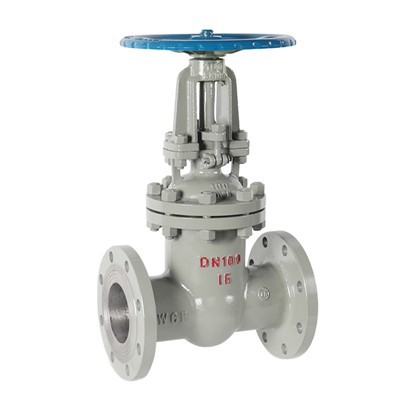
Before we discuss the noise level, let's briefly understand what a gate valve threaded type is. A gate valve is a linear motion valve used to start or stop the flow of fluid in a pipeline. The threaded type refers to the way the valve is connected to the pipeline, using threads for a secure and leak - tight connection. These valves are commonly used in various industries such as oil and gas, water treatment, and chemical processing.
Factors Affecting the Noise Level
Fluid Velocity
One of the primary factors that contribute to the noise level of a gate valve threaded type is the velocity of the fluid flowing through it. When the fluid velocity is high, it can cause turbulence and cavitation. Turbulence occurs when the fluid flow becomes irregular, creating eddies and vortices. Cavitation, on the other hand, happens when the pressure of the fluid drops below its vapor pressure, causing the formation and collapse of vapor bubbles. Both turbulence and cavitation can generate significant noise.
For example, in a high - pressure water pipeline, if the gate valve is opened too quickly, the sudden increase in fluid velocity can lead to intense turbulence and a high - pitched noise. To mitigate this, it is important to control the opening and closing speed of the valve to maintain a stable fluid velocity.
Valve Design
The design of the gate valve itself also plays a crucial role in determining the noise level. The shape and size of the valve's internal components, such as the gate and the seat, can affect the flow pattern of the fluid. A poorly designed valve may cause the fluid to flow in a non - uniform manner, resulting in increased noise.
For instance, if the gate has sharp edges or irregular surfaces, it can disrupt the smooth flow of the fluid, leading to turbulence and noise. Modern gate valve designs often incorporate features such as streamlined gates and seats to minimize these effects and reduce noise.
Pipeline Configuration
The configuration of the pipeline in which the gate valve is installed can also impact the noise level. Bends, elbows, and other fittings in the pipeline can cause changes in the fluid flow direction and velocity, leading to additional turbulence and noise.
If a gate valve is installed close to a sharp bend in the pipeline, the fluid may experience a sudden change in direction, causing it to collide with the walls of the pipeline and generate noise. To reduce this effect, it is advisable to install the valve at a sufficient distance from pipeline fittings.
Measuring the Noise Level
To accurately assess the noise level of a gate valve threaded type during operation, specialized equipment such as sound level meters can be used. These meters measure the sound pressure level in decibels (dB). The noise level can vary depending on the operating conditions of the valve, such as the fluid pressure, flow rate, and the type of fluid.
In general, a well - designed and properly installed gate valve threaded type should produce a relatively low noise level. However, if the noise level exceeds the acceptable limits, it may indicate a problem with the valve or the pipeline system.


Strategies to Reduce Noise
Optimize Valve Operation
As mentioned earlier, controlling the opening and closing speed of the gate valve can help reduce the noise level. Gradually opening or closing the valve allows the fluid to flow smoothly, minimizing turbulence and cavitation. Additionally, regular maintenance of the valve, such as lubricating the threads and checking for any signs of wear or damage, can ensure its proper operation and reduce noise.
Pipeline Modifications
Modifying the pipeline configuration can also help reduce the noise level. Installing straight sections of pipeline before and after the valve can help stabilize the fluid flow and reduce turbulence. Using flow - straightening devices can also be effective in improving the flow pattern and reducing noise.
Noise - Absorbing Materials
Applying noise - absorbing materials to the valve and the pipeline can help dampen the noise. These materials can be in the form of insulation wraps or acoustic linings. They work by absorbing the sound energy and reducing its transmission.
Comparing with Other Threaded Valves
It is interesting to compare the noise level of a gate valve threaded type with other types of threaded valves, such as Stainlessl Steel Threaded Ball Valve and Stainless Steel Screwed Y Type Strainer.
Ball valves generally have a simpler design and a more streamlined flow path compared to gate valves. This often results in lower noise levels, especially at high flow rates. However, gate valves are better suited for applications where a full - bore flow is required.
Y - type strainers, on the other hand, are mainly used for filtering debris from the fluid. The presence of the strainer element can cause some additional resistance to the fluid flow, which may lead to a slightly higher noise level compared to a simple valve.
Conclusion
In conclusion, the noise level of a gate valve threaded type during operation is influenced by various factors, including fluid velocity, valve design, and pipeline configuration. By understanding these factors and implementing appropriate strategies, such as optimizing valve operation, modifying the pipeline, and using noise - absorbing materials, the noise level can be effectively managed and reduced.
As a supplier of Gate Valve Threaded Type, we are committed to providing high - quality valves that not only meet the performance requirements but also minimize the noise impact. If you are interested in learning more about our products or have any questions regarding the noise level of our gate valves, please feel free to contact us for further discussion and potential procurement.
References
- "Valve Handbook" by William W. Moskwa
- "Fluid Mechanics" by Frank M. White
- Industry standards and guidelines on valve noise control