Hey there! As a gate valve supplier, I've seen firsthand how the material of a gate valve can significantly impact its corrosion resistance. In this blog, I'll share my insights on this topic and explain why choosing the right material is crucial for your gate valve applications.
Let's start by understanding what corrosion is and why it's a big deal for gate valves. Corrosion is basically the deterioration of a material due to chemical reactions with its environment. For gate valves, this can lead to leaks, reduced performance, and even complete failure. That's why it's essential to select a material that can withstand the corrosive elements it will be exposed to.
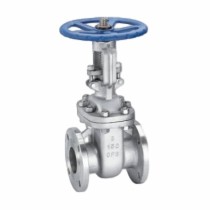
One of the most common materials used for gate valves is stainless steel. Stainless steel is known for its excellent corrosion resistance, making it a popular choice for a wide range of applications. It contains chromium, which forms a protective oxide layer on the surface of the material, preventing further corrosion. There are different grades of stainless steel available, each with its own level of corrosion resistance. For example, the 304 and 316 grades are commonly used in gate valves. You can check out our Stainless Steel Gate Valve for more information on these valves.
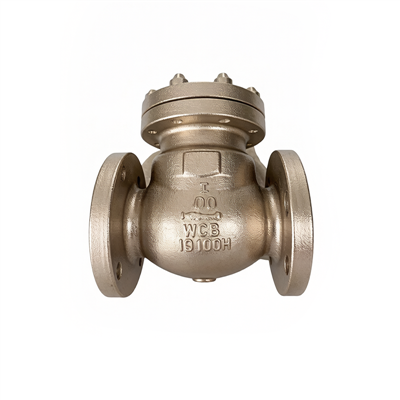
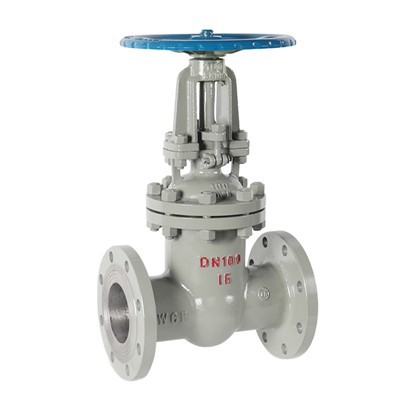
Another popular material for gate valves is cast steel. Cast steel gate valves are known for their strength and durability. They can handle high-pressure and high-temperature applications, making them suitable for industrial settings. However, cast steel is more susceptible to corrosion compared to stainless steel. To improve its corrosion resistance, cast steel gate valves are often coated or lined with a protective material. You can find our Cast Steel Gate Valve on our website.
The choice of material also depends on the specific environment in which the gate valve will be used. For example, if the valve will be exposed to seawater or other highly corrosive substances, a more corrosion-resistant material like stainless steel or a special alloy may be required. On the other hand, if the valve will be used in a less corrosive environment, a cast steel valve may be sufficient.
In addition to the material itself, the design and construction of the gate valve can also affect its corrosion resistance. For example, a valve with a smooth surface finish is less likely to accumulate debris and contaminants, which can lead to corrosion. Similarly, proper sealing and gasketing can prevent the ingress of corrosive substances into the valve.
Now, let's talk about some of the factors that can influence the corrosion resistance of a gate valve. One of the most important factors is the pH level of the fluid or gas that the valve will be handling. Acidic or alkaline substances can accelerate the corrosion process, so it's important to choose a material that can withstand the specific pH range. Temperature is another factor to consider. High temperatures can increase the rate of corrosion, so it's important to select a material that can handle the expected temperature range.
Another factor to consider is the presence of other chemicals or contaminants in the fluid or gas. Some substances can react with the valve material and cause corrosion. For example, chloride ions can cause pitting corrosion in stainless steel. Therefore, it's important to understand the composition of the fluid or gas and choose a material that is resistant to the specific chemicals or contaminants.
In conclusion, the material of a gate valve plays a crucial role in its corrosion resistance. Choosing the right material can help ensure the long-term performance and reliability of the valve. As a gate valve supplier, we offer a wide range of gate valves made from different materials to meet the diverse needs of our customers. Whether you need a Stainless Steel Gate Valve, an ANSI Stainless Steel Gate Valve, or a Cast Steel Gate Valve, we have the right solution for you.
If you're interested in learning more about our gate valves or have any questions about corrosion resistance, feel free to reach out to us. We're here to help you make the right choice for your application. Contact us today to start the conversation!


References:
- "Corrosion Resistance of Metals and Alloys" by Robert W. Revie
- "Handbook of Corrosion Engineering" by Yutaka Sato