Hey there! As a gate valve supplier, I get a lot of questions about how to close a gate valve properly. It might seem like a simple task, but there are actually a few key steps and things to keep in mind. In this blog, I'm gonna walk you through the process step by step.
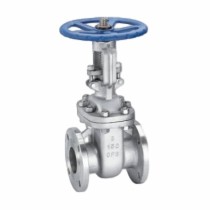
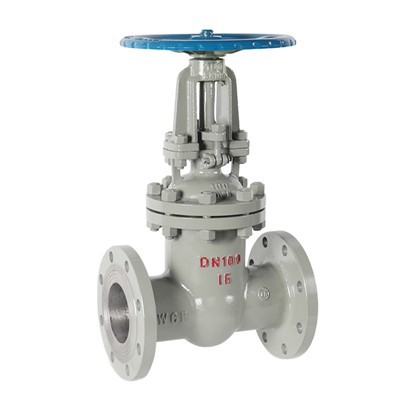
First off, let's talk a bit about gate valves. Gate valves are commonly used in various industries to control the flow of liquids and gases. They work by raising and lowering a gate (hence the name) to either allow or block the flow. We offer a wide range of gate valves, like the Cast Steel Gate Valve, ANSI Stainless Steel Gate Valve, and Stainless Steel Gate Valve. These valves are made of high - quality materials and are designed to last.
Step 1: Preparation
Before you start closing the gate valve, you need to make sure that the system is in a safe state. Check if there are any ongoing operations that might be affected by closing the valve. For example, if it's a part of a pipeline in a chemical plant, make sure that all the necessary safety procedures are in place. You also want to wear appropriate safety gear, like gloves and safety glasses, especially if you're dealing with potentially hazardous substances.
Step 2: Identify the Valve
It might sound obvious, but in a complex piping system, it's easy to get confused. Make sure you've identified the correct gate valve. Look for any labels or markings on the valve or the pipeline. If you're not sure, refer to the system's schematic or ask someone who's familiar with the setup.
Step 3: Locate the Valve Handle
Most gate valves have a handwheel or a lever that you use to operate them. The handwheel is usually located on top of the valve body. If it's a large - scale industrial valve, there might be a motorized actuator, but for the purpose of this guide, we're focusing on manual operation.
Step 4: Start Closing the Valve
Once you've located the handle, start turning it in the appropriate direction. For most gate valves, turning the handwheel clockwise will close the valve. As you turn, you'll feel some resistance. This is normal, as the gate is moving down towards the seat to block the flow.


Step 5: Monitor the Closing Process
While you're closing the valve, keep an eye on the pressure gauges (if available) and the flow indicators. If there's a sudden change in pressure or flow, it could indicate a problem. For example, if the pressure starts to spike, it might mean that there's a blockage in the pipeline or that the valve is not closing properly.
Step 6: Fully Close the Valve
Continue turning the handwheel until you can't turn it anymore. This indicates that the gate has fully seated and the valve is completely closed. But be careful not to over - tighten the valve. Over - tightening can damage the valve seat and cause leaks in the long run.
Step 7: Check for Leaks
After closing the valve, check around the valve body and the connections for any signs of leaks. You can use a leak detector or simply look for any wet spots or drips. If you find a leak, you might need to adjust the valve or replace some parts.
Step 8: Document the Closing
It's a good practice to document the closing of the valve. Note down the time, the valve's location, and any observations you made during the process. This documentation can be useful for future reference, especially if there are any issues with the system later on.
Common Mistakes to Avoid
- Over - tightening: As I mentioned earlier, over - tightening can damage the valve. Just turn the handwheel until it stops naturally.
- Not checking for leaks: Leaks can lead to safety hazards and loss of product. Always check for leaks after closing the valve.
- Closing the wrong valve: Double - check the valve you're closing to avoid shutting down the wrong part of the system.
Tips for a Smooth Closing
- Lubricate the valve regularly: This can make the operation smoother and prevent the valve from seizing up.
- Follow the manufacturer's instructions: Different valves might have slightly different operating procedures, so make sure you read the manual.
If you're in the market for high - quality gate valves, we've got you covered. Our Cast Steel Gate Valve, ANSI Stainless Steel Gate Valve, and Stainless Steel Gate Valve are designed to meet the highest standards. Whether you're in the oil and gas industry, water treatment, or any other field that requires reliable valves, we can provide the right solution for you. If you're interested in purchasing gate valves or have any questions about our products, don't hesitate to reach out. We're here to help you with your valve needs.
References
- "Valve Handbook: Principles and Applications"
- Manufacturer's manuals for gate valves