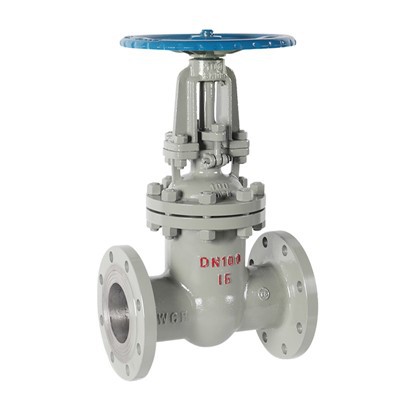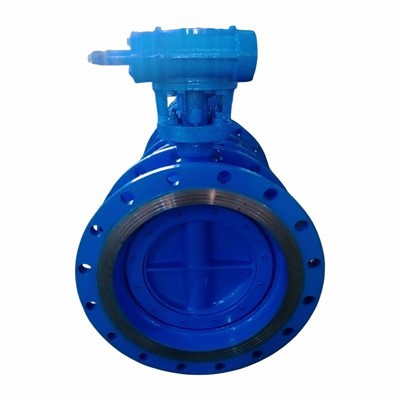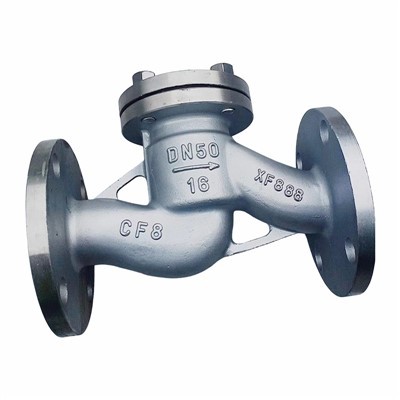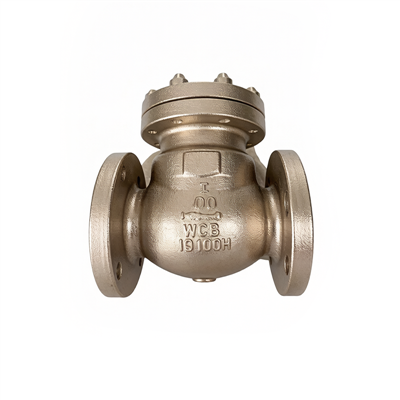
Hey there! I'm a supplier of Cast Steel Check Valves, and today I wanna chat about the environmental requirements for using these valves.
Let's start with the basics. Cast Steel Check Valves are essential components in many industrial systems. They're designed to allow fluid to flow in one direction and prevent backflow. But to make sure they work well and last long, we need to pay attention to the environment where they're used.
Temperature
One of the most important environmental factors is temperature. Cast Steel Check Valves are made of cast steel, which has its own temperature limits. In general, they can handle a wide range of temperatures, but extreme cold or heat can affect their performance.
In cold environments, the steel can become brittle. If the temperature drops too low, the valve might crack or fail to operate properly. For example, in some cold storage facilities or arctic oil exploration projects, the low temperatures can pose a challenge. We need to make sure the valves are designed to withstand these cold conditions. Some valves come with special insulation or are made from steel alloys that are more resistant to cold.
On the other hand, high temperatures can also be a problem. When the temperature gets too high, the steel can expand, which might cause the valve to jam or leak. In industrial processes like power generation or chemical manufacturing, where high temperatures are common, we need to choose valves that can handle the heat. There are heat-resistant cast steel alloys available that can maintain their strength and integrity at high temperatures.
Pressure
Pressure is another crucial factor. Cast Steel Check Valves are designed to work within a certain pressure range. If the pressure in the system is too high, it can put excessive stress on the valve, leading to damage or failure.
In high-pressure systems, such as oil and gas pipelines or hydraulic systems, we need to select valves with a high-pressure rating. These valves are built with thicker walls and stronger materials to withstand the pressure. It's also important to regularly check the pressure in the system to ensure it stays within the valve's rated range.
On the contrary, in low-pressure systems, using a valve with a too-high pressure rating might not be cost-effective. We need to choose the right valve based on the actual pressure requirements of the system.
Corrosion
Corrosion is a big concern when it comes to using Cast Steel Check Valves. Steel is prone to corrosion, especially in environments where there is moisture, chemicals, or salt.
In coastal areas or industries where there is exposure to saltwater, the valves can corrode quickly. To prevent this, we can use valves with anti-corrosion coatings or made from stainless steel. Stainless Steel Check Valve is a great option in these situations. The stainless steel has a higher resistance to corrosion, which can extend the lifespan of the valve.


In chemical industries, where there are various corrosive substances, we need to choose valves that are compatible with the specific chemicals. Some valves are made from special alloys that can resist the corrosion caused by certain chemicals.
Fluid Characteristics
The characteristics of the fluid flowing through the valve also matter. Different fluids have different properties, such as viscosity, density, and chemical composition.
If the fluid is highly viscous, it can put more resistance on the valve, making it harder to open and close. In such cases, we might need to choose a valve with a larger opening or a different design to ensure smooth flow.
The chemical composition of the fluid can also affect the valve. For example, if the fluid contains abrasive particles, it can wear down the valve over time. We need to select valves with wear-resistant materials or coatings to protect against this.
Installation Environment
The installation environment can also impact the performance of Cast Steel Check Valves. The valve needs to be installed in a clean and dry place. If there is dust, dirt, or debris in the installation area, it can get into the valve and cause it to malfunction.
The valve also needs to be installed in a position where it can be easily accessed for maintenance and inspection. In some industrial settings, where space is limited, proper installation planning is crucial to ensure the valve can be serviced when needed.
Maintenance and Monitoring
To ensure the long-term performance of Cast Steel Check Valves, regular maintenance and monitoring are essential. We need to check the valve for any signs of wear, corrosion, or damage on a regular basis.
If we notice any problems, we should take immediate action to repair or replace the valve. Monitoring the pressure, temperature, and flow rate in the system can also help us detect any potential issues early.
Why Choose Our Cast Steel Check Valves
As a supplier of Cast Steel Check Valve, we offer high-quality valves that are designed to meet the environmental requirements of various applications. Our valves are made from high-grade cast steel and are tested to ensure their performance and reliability.
We also provide Prevent Reflux Lifting Check Valve, which is specially designed to prevent reflux and ensure one-way flow. These valves are suitable for a wide range of industries, including oil and gas, water treatment, and chemical processing.
If you're looking for reliable Cast Steel Check Valves for your project, don't hesitate to contact us. We can help you choose the right valve based on your specific environmental requirements and application needs. Whether you need a valve for a high-temperature, high-pressure system or a corrosive environment, we've got you covered.
Let's work together to find the best solution for your valve needs. Contact us today to start the procurement process and discuss your requirements in detail.
References
- "Valve Handbook" by Valve Manufacturers Association
- "Industrial Fluid Systems" by Fluid Engineering Society