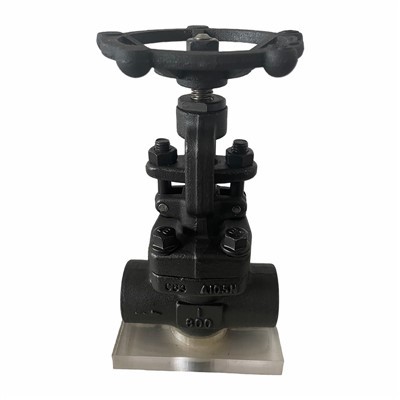
As a supplier of ANSI Stainless Swing Check Valves, understanding the temperature range of these valves is crucial for both us and our customers. In this blog, we will explore the temperature range of ANSI Stainless Swing Check Valves, the factors influencing it, and its significance in various applications.
Understanding ANSI Stainless Swing Check Valves
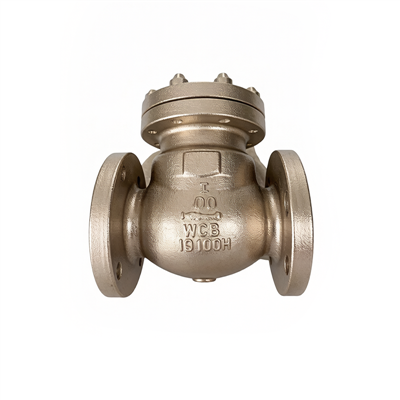
ANSI Stainless Swing Check Valves are designed to allow fluid to flow in one direction and prevent backflow. They are widely used in various industries such as oil and gas, chemical, water treatment, and power generation. The swing check valve consists of a disc that swings on a hinge or trunnion. When the fluid flows in the forward direction, the disc opens, allowing the fluid to pass through. When the flow reverses, the disc swings back to its closed position, preventing backflow.
The use of stainless steel in these valves provides excellent corrosion resistance, making them suitable for a wide range of applications where the fluid may be corrosive. ANSI standards ensure that these valves meet specific dimensions, pressure ratings, and performance requirements, ensuring compatibility and reliability in different systems.


Temperature Range of ANSI Stainless Swing Check Valves
The temperature range of ANSI Stainless Swing Check Valves typically depends on several factors, including the type of stainless steel used, the design of the valve, and the sealing materials. Generally, these valves can operate within a wide temperature range, from cryogenic temperatures to high temperatures.
Cryogenic Temperatures
Some ANSI Stainless Swing Check Valves are designed to operate at cryogenic temperatures, typically below -100°C (-148°F). These valves are used in applications such as liquefied natural gas (LNG) processing, where the fluid is extremely cold. The stainless steel used in these valves is selected for its ability to maintain its mechanical properties at low temperatures, preventing brittleness and ensuring reliable operation.
High Temperatures
On the other end of the spectrum, ANSI Stainless Swing Check Valves can also operate at high temperatures. Depending on the specific grade of stainless steel and the design of the valve, they can handle temperatures up to 600°C (1112°F) or even higher in some cases. High-temperature applications include steam systems, power generation, and chemical processing, where the fluid can reach elevated temperatures.
Factors Influencing the Temperature Range
Stainless Steel Grade
The grade of stainless steel used in the valve is a significant factor in determining its temperature range. Different grades of stainless steel have different compositions and properties, which affect their performance at different temperatures. For example, austenitic stainless steels such as 304 and 316 are commonly used in ANSI Stainless Swing Check Valves due to their good corrosion resistance and mechanical properties at a wide range of temperatures. However, other grades may be more suitable for specific temperature ranges or applications.
Sealing Materials
The sealing materials used in the valve also play a crucial role in determining its temperature range. The seals must be able to withstand the temperature of the fluid without losing their sealing properties. Common sealing materials include elastomers such as EPDM, Viton, and PTFE. Each material has its own temperature limits, and the selection of the sealing material depends on the specific application and temperature requirements.
Valve Design
The design of the valve can also affect its temperature range. Factors such as the thickness of the valve walls, the type of hinge or trunnion, and the internal geometry of the valve can all influence its ability to withstand high or low temperatures. A well-designed valve will be able to maintain its integrity and performance within the specified temperature range.
Significance of Temperature Range in Applications
Safety
Ensuring that the ANSI Stainless Swing Check Valve operates within its specified temperature range is essential for safety. If the valve is exposed to temperatures outside its designed range, it may fail, leading to leaks, pressure surges, or other safety hazards. For example, at high temperatures, the valve may experience thermal expansion, which can cause the seals to fail or the valve to jam. At low temperatures, the valve may become brittle and prone to cracking.
Performance
The temperature range also affects the performance of the valve. At extreme temperatures, the fluid properties may change, which can affect the flow characteristics and the ability of the valve to open and close properly. For example, at low temperatures, the viscosity of the fluid may increase, making it more difficult for the valve to open. At high temperatures, the fluid may become more corrosive, which can damage the valve components over time.
Compatibility
The temperature range of the valve must be compatible with the other components in the system. For example, if the valve is used in a pipeline that is exposed to high temperatures, the other components such as pipes, fittings, and pumps must also be able to withstand the same temperatures. Incompatible components can lead to system failures and costly repairs.
Other Related Valve Products
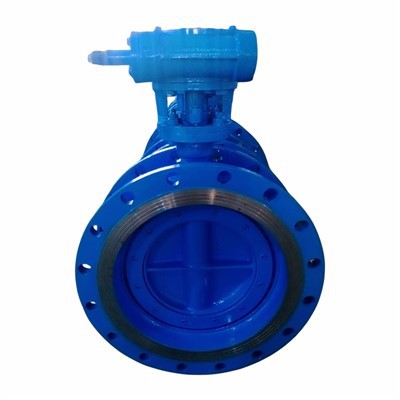
In addition to ANSI Stainless Swing Check Valves, we also offer other valve products that may be suitable for different applications. For example, our Soft Sealed Flange Butterfly Valve is designed for applications where a tight seal is required. It features a soft sealing material that provides excellent sealing performance and is suitable for a wide range of fluids.
Our Stainless Steel Hard-sealed Flanged Butterfly Valve is another option for applications where high-pressure and high-temperature resistance is required. The hard-sealed design provides better durability and can withstand more demanding conditions.
Contact Us for Purchase and Consultation
If you are interested in our ANSI Stainless Swing Check Valves or any of our other valve products, we encourage you to contact us for more information. Our team of experts can help you select the right valve for your specific application and provide you with detailed technical specifications and pricing. We are committed to providing high-quality products and excellent customer service, and we look forward to working with you.
References
- ASME B16.34 - Valves - Flanged, Threaded, and Welding End
- ANSI/ISA - 75.01 - Flow Equations for Sizing Control Valves
- API 6D - Pipeline Valves - Specification for Pipeline Valves