Hey there! If you're dealing with a leaking ball valve, you're in the right place. I'm from a ball valve supplier, and I've seen my fair share of leaky valves. In this blog, I'll walk you through how to repair a leaking ball valve step by step.
Understanding the Basics of a Ball Valve
Before we jump into the repair process, let's quickly go over what a ball valve is. A ball valve is a type of valve that uses a spherical disc to control the flow of fluid. When the valve is open, the hole in the ball aligns with the pipe, allowing fluid to flow through. When it's closed, the ball rotates to block the flow.
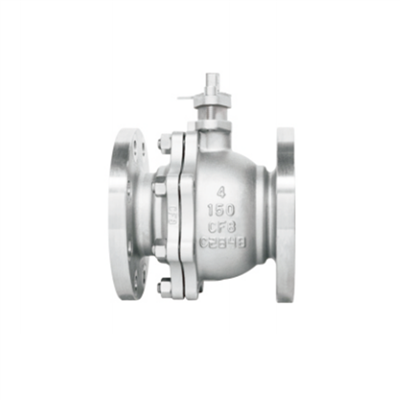
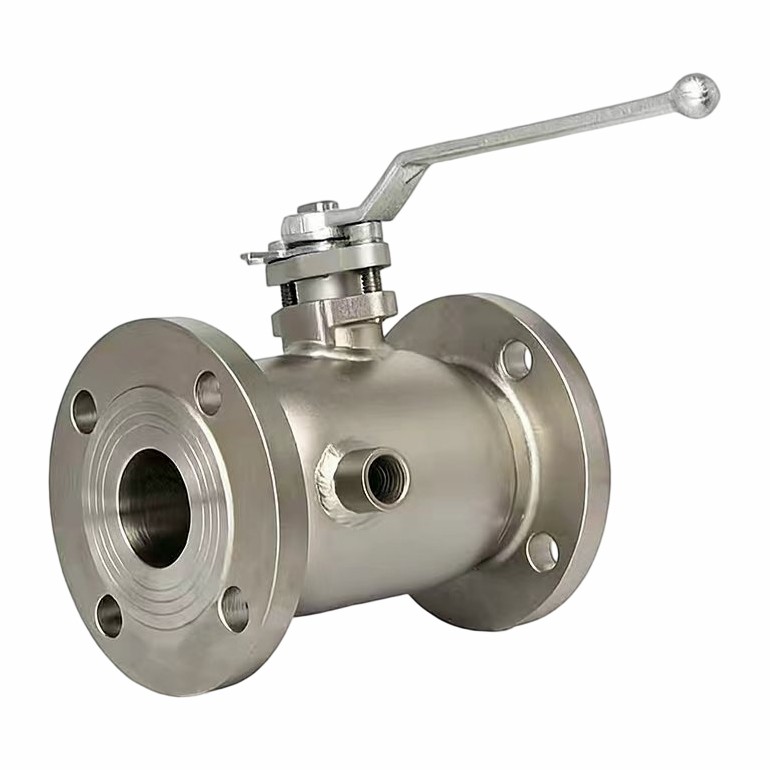
Ball valves come in different types, like Steel Ball Valves, Insulated Ball Valve, and Fireproof Ball Valve. Each type has its own unique features and applications, but the basic repair process is pretty similar.
Tools You'll Need
To repair a leaking ball valve, you'll need a few tools. Here's a list of what you'll need:
- Adjustable wrench
- Screwdriver
- Pipe wrench
- Replacement seals (gaskets)
- Teflon tape
- Lubricant
Step 1: Turn Off the Water Supply
The first thing you need to do is turn off the water supply to the valve. This is crucial to prevent any water from flowing while you're working on the valve. Locate the main water shut-off valve and turn it clockwise until the water stops flowing.
Step 2: Drain the Water
After turning off the water supply, you need to drain the water from the pipes. Open a faucet downstream from the valve to release any remaining water in the pipes. This will help prevent water from spraying out when you start working on the valve.
Step 3: Remove the Valve Handle
Use a screwdriver to remove the screws holding the valve handle in place. Once the screws are removed, carefully lift the handle off the valve.
Step 4: Remove the Packing Nut
The packing nut is located on top of the valve stem. Use an adjustable wrench to loosen and remove the packing nut. Be careful not to damage the valve stem while doing this.
Step 5: Inspect the Seals
Once the packing nut is removed, you can access the seals. Inspect the seals for any signs of damage, such as cracks or wear. If the seals are damaged, you'll need to replace them.
Step 6: Replace the Seals
If the seals are damaged, remove them from the valve and replace them with new ones. Make sure to use the correct size and type of seals for your valve. Apply a small amount of lubricant to the new seals to help them slide into place easily.

Step 7: Reassemble the Valve
After replacing the seals, reassemble the valve in the reverse order of disassembly. Start by putting the packing nut back on the valve stem and tightening it with the adjustable wrench. Then, put the valve handle back on and secure it with the screws.
Step 8: Check for Leaks
Once the valve is reassembled, turn on the water supply and check for leaks. If you notice any leaks, tighten the packing nut a little more or check the seals again to make sure they're installed correctly.
Tips for Preventing Leaks
- Regularly inspect your ball valves for signs of wear and tear.
- Use high-quality seals and gaskets when replacing parts.
- Apply a small amount of lubricant to the valve stem and seals to prevent friction and wear.
- Don't overtighten the packing nut, as this can damage the valve stem and seals.
Conclusion
Repairing a leaking ball valve isn't as difficult as it may seem. By following these steps and using the right tools, you can easily fix a leaky valve and get your plumbing system back in working order. If you have any questions or need further assistance, feel free to contact us. We're a ball valve supplier, and we're here to help you with all your ball valve needs. Whether you're looking for Steel Ball Valves, Insulated Ball Valve, or Fireproof Ball Valve, we've got you covered. So, don't hesitate to reach out if you're interested in purchasing ball valves or need more information. We're ready to have a chat and discuss your requirements.
References
- Plumbing Handbook
- Ball Valve Manufacturer's Manuals