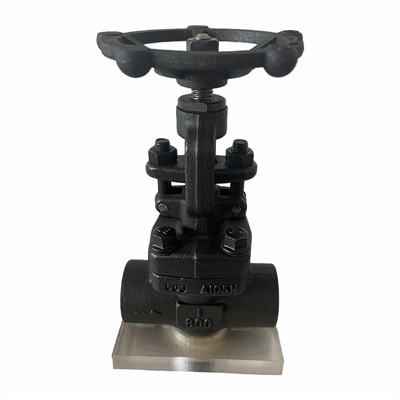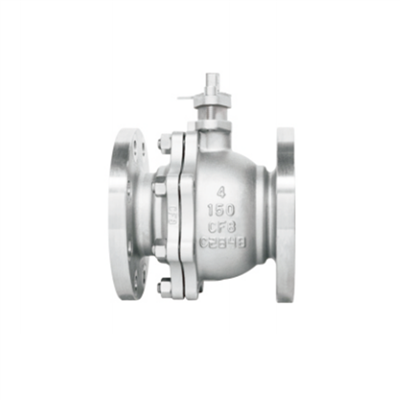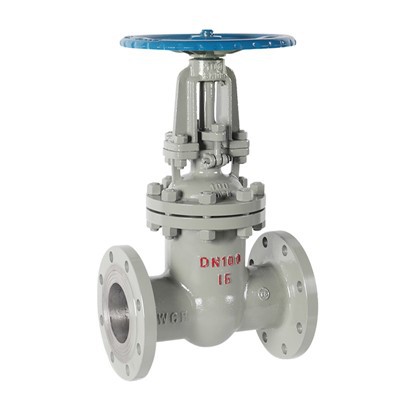
Hey there! As a supplier of Forged Gate Valves, I often get asked about the opening and closing torque of these valves. In this blog, I'll break down what opening and closing torque is, why it matters, and how it affects the performance of Forged Gate Valves.


What is Torque?
Before we dive into the opening and closing torque of Forged Gate Valves, let's first understand what torque is. Torque is a measure of the force that causes an object to rotate around an axis. In the context of valves, torque is the force required to turn the valve stem and open or close the valve.
Opening Torque
The opening torque of a Forged Gate Valve is the amount of force needed to start moving the gate from its closed position to an open position. Several factors can influence the opening torque:
- Sealing Force: When the valve is closed, there is a sealing force between the gate and the seat. This force is necessary to prevent leakage. The stronger the sealing force, the higher the opening torque will be. For example, if the valve is designed for high - pressure applications, the sealing force will be greater, and thus the opening torque will also increase.
- Friction: Friction between the gate and the seat, as well as between the valve stem and the packing, can contribute to the opening torque. Over time, wear and tear can increase the friction, making it more difficult to open the valve.
Closing Torque
The closing torque is the force required to move the gate from the open position back to the closed position. Similar to the opening torque, several factors affect the closing torque:
- Sealing Requirements: To ensure a tight seal, a certain amount of force is needed to press the gate against the seat. The closing torque must be sufficient to achieve this seal. If the closing torque is too low, the valve may not seal properly, leading to leakage.
- Back Pressure: In some applications, there may be back pressure in the pipeline. This back pressure can oppose the movement of the gate during closing, increasing the closing torque.
Why Does Torque Matter?
Understanding the opening and closing torque of Forged Gate Valves is crucial for several reasons:
- Proper Operation: If the torque requirements are not met, the valve may not open or close properly. This can lead to operational issues, such as reduced flow control or leakage.
- Safety: In high - pressure or critical applications, improper torque can pose a safety risk. For example, if a valve fails to close properly due to insufficient closing torque, it could lead to a dangerous situation.
- Longevity: Applying the correct torque helps to ensure the longevity of the valve. Excessive torque can cause damage to the valve components, while insufficient torque may result in premature wear due to improper sealing.
How to Measure Torque
Measuring the opening and closing torque of a Forged Gate Valve typically involves using a torque wrench. Here's a general process:
- Prepare the Valve: Make sure the valve is in the appropriate position (either fully open or fully closed depending on whether you are measuring opening or closing torque).
- Attach the Torque Wrench: Connect the torque wrench to the valve stem.
- Apply Force: Slowly turn the valve stem using the torque wrench and record the torque reading when the valve starts to move (for opening torque) or when it is fully closed (for closing torque).
Torque and Different Valve Designs
The design of the Forged Gate Valve can also affect the opening and closing torque. For example, a rising stem gate valve may have different torque characteristics compared to a non - rising stem gate valve.
- Rising Stem Gate Valves: In a rising stem gate valve, the stem moves up and down as the valve is opened and closed. This design can sometimes result in higher opening and closing torques because the stem has to overcome additional friction as it moves through the packing.
- Non - Rising Stem Gate Valves: In a non - rising stem gate valve, the stem rotates but does not move axially. This design may have lower torque requirements in some cases, as there is less friction associated with the stem movement.
Comparing with Other Valve Types
It's also interesting to compare the opening and closing torque of Forged Gate Valves with other valve types. For instance, Forged Globe Valve and 3 - piece Threaded Ball Valve have different torque characteristics.
- Forged Globe Valves: Globe valves typically have higher opening and closing torques compared to gate valves. This is because the design of the globe valve requires more force to move the disc against the flow and seal properly.
- 3 - piece Threaded Ball Valves: Ball valves generally have lower opening and closing torques. The ball rotates within the valve body, and the sealing mechanism is relatively simple, resulting in less resistance.
Our Forged Gate Valves
As a supplier of Forged Gate Valves, we ensure that our valves are designed and manufactured to have optimal opening and closing torques. We use high - quality materials and advanced manufacturing processes to reduce friction and ensure reliable sealing.
Our team of experts can also provide guidance on the appropriate torque requirements for different applications. Whether you are working on a small - scale project or a large industrial installation, we can help you select the right valve and ensure that it operates smoothly.
Contact Us for Purchase and Consultation
If you're in the market for Forged Gate Valves or have any questions about opening and closing torque, don't hesitate to reach out. We're here to help you find the best valve solutions for your needs. Whether you need technical advice, a quote, or want to discuss a specific project, our team is ready to assist.
References
- Valve Handbook, 4th Edition, by Robert W. McKetta
- ASME Standards for Valves and Fittings