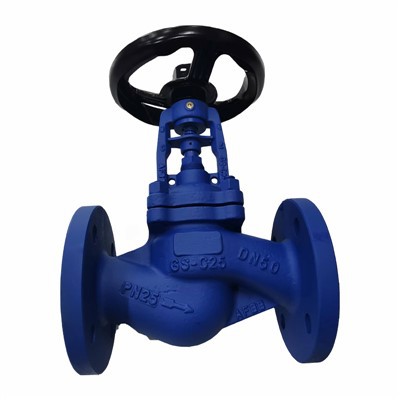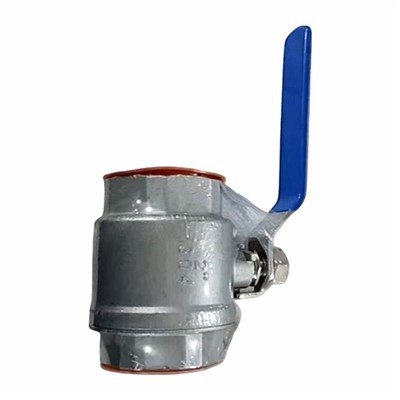
What factors affect the lifespan of a Prevent Reflux Lifting Check Valve?
As a supplier of Prevent Reflux Lifting Check Valve, I've witnessed firsthand the importance of understanding the factors that influence the lifespan of these crucial components. In this blog post, I'll share my insights into the key elements that can either extend or shorten the life of a Prevent Reflux Lifting Check Valve.
Material Quality
The quality of the materials used in the construction of a check valve is perhaps the most fundamental factor affecting its lifespan. High - quality materials are more resistant to corrosion, wear, and fatigue. For example, Stainless Steel Check Valve are known for their excellent corrosion resistance. Stainless steel contains chromium, which forms a passive oxide layer on the surface, protecting the valve from rust and other forms of corrosion. This makes stainless steel check valves ideal for applications in harsh environments, such as chemical processing plants or marine settings.
On the other hand, Cast Steel Check Valve offer good strength and durability. Cast steel is often used in applications where high pressure and temperature are involved. However, it may be more susceptible to corrosion compared to stainless steel if not properly protected.
Operating Conditions
The operating conditions under which a Prevent Reflux Lifting Check Valve functions play a significant role in its lifespan. Pressure and temperature are two critical factors. High - pressure applications can put a great deal of stress on the valve components. If the valve is not designed to handle the specific pressure levels, it may experience premature failure. For instance, excessive pressure can cause the valve seat to deform, leading to leakage and reduced efficiency.
Similarly, extreme temperatures can also affect the performance and lifespan of the valve. High temperatures can cause the materials to expand, potentially leading to misalignment or damage to the valve components. Low temperatures, on the other hand, can make the materials more brittle, increasing the risk of cracking.
The nature of the fluid flowing through the valve is another important consideration. If the fluid is abrasive, it can cause wear on the valve surfaces. For example, fluids containing solid particles can erode the valve seat and disc over time. Corrosive fluids can also attack the valve materials, leading to degradation and failure.
Installation and Maintenance
Proper installation is crucial for the long - term performance of a Prevent Reflux Lifting Check Valve. Incorrect installation can lead to issues such as misalignment, which can cause uneven wear on the valve components. It's essential to follow the manufacturer's installation guidelines carefully. This includes ensuring that the valve is installed in the correct orientation, with the flow direction indicated on the valve body matching the actual flow of the fluid.
Regular maintenance is also key to extending the lifespan of the valve. This includes inspecting the valve for signs of wear, corrosion, or leakage at regular intervals. Lubrication of moving parts, if required, should be carried out as recommended. Any damaged or worn components should be replaced promptly to prevent further damage to the valve.
Design and Engineering
The design of the Prevent Reflux Lifting Check Valve can have a significant impact on its lifespan. A well - designed valve will have features that minimize wear and tear. For example, a valve with a properly designed seat and disc can provide a better seal, reducing the risk of leakage and wear. The shape and size of the valve components can also affect the flow characteristics, which in turn can impact the valve's performance and lifespan.
Advanced engineering techniques can be used to optimize the valve design. Computational fluid dynamics (CFD) analysis can be employed to study the flow patterns inside the valve and make improvements to the design. This can help to reduce turbulence and pressure drop, which can extend the life of the valve.
Frequency of Use
The frequency of use of the Prevent Reflux Lifting Check Valve is another factor that affects its lifespan. Valves that are used more frequently are subject to more wear and tear. For example, in a continuous - flow system, the valve may be opening and closing thousands of times per day. This constant movement can cause the valve components to wear out faster.
In some cases, intermittent use can also be a problem. If a valve is not used for long periods, it may become stuck due to corrosion or the build - up of debris. This can lead to failure when the valve is needed to operate.
Environmental Factors
The environment in which the valve is installed can also impact its lifespan. Exposure to moisture, humidity, and chemicals in the air can cause corrosion. For example, in a coastal area, the high salt content in the air can accelerate the corrosion process. Dust and dirt can also enter the valve and cause abrasion or blockages.
To mitigate the effects of environmental factors, proper protection measures should be taken. This may include using protective coatings on the valve, installing the valve in a sheltered location, or using filters to prevent the entry of dust and debris.
Compatibility with Other Components
The Prevent Reflux Lifting Check Valve needs to be compatible with other components in the system. Incompatible components can cause problems such as leakage, vibration, or excessive stress on the valve. For example, if the valve is connected to pipes with different diameters or materials, it can lead to flow disturbances and increased wear on the valve.
It's important to ensure that all components in the system are designed to work together. This includes considering factors such as the pressure ratings, temperature ratings, and material compatibility of all the components.
In conclusion, the lifespan of a Prevent Reflux Lifting Check Valve is influenced by a variety of factors, including material quality, operating conditions, installation and maintenance, design and engineering, frequency of use, environmental factors, and compatibility with other components. By understanding these factors and taking appropriate measures, it's possible to extend the lifespan of the valve and ensure its reliable performance.
If you're in the market for a high - quality Prevent Reflux Lifting Check Valve or have any questions about valve selection, installation, or maintenance, please don't hesitate to contact us for further discussion and potential procurement. We're here to help you find the best solution for your specific needs.


References
- "Valve Handbook" by William A. Nash
- "Fluid Mechanics and Thermodynamics of Turbomachinery" by S. L. Dixon