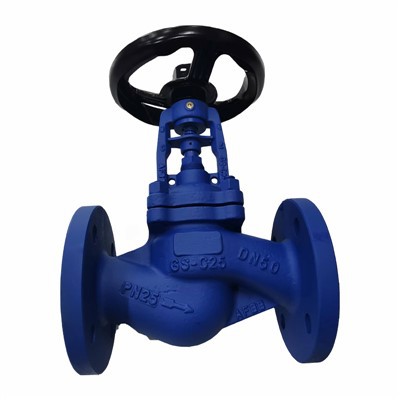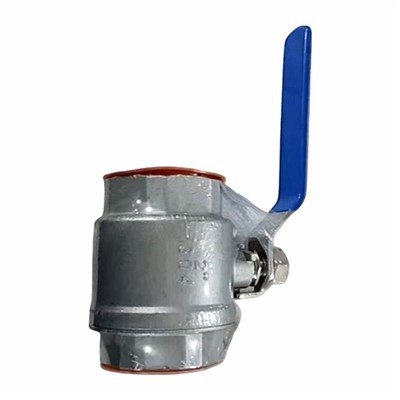
Determining whether an ANSI Steel Globe Valve needs to be replaced is a crucial decision for industries that rely on these valves for fluid control. As a trusted ANSI Steel Globe Valve supplier, I understand the significance of making informed choices to ensure the efficient and safe operation of industrial systems. In this blog, I will share valuable insights on how to assess the condition of ANSI Steel Globe Valves and decide when replacement is necessary.
Understanding ANSI Steel Globe Valves
ANSI Steel Globe Valves are widely used in various industries, including oil and gas, chemical, power generation, and water treatment. These valves are designed to regulate the flow of fluids by using a disc that moves perpendicular to the flow path. The ANSI (American National Standards Institute) standards ensure that these valves meet specific requirements for dimensions, pressure ratings, and performance.


Visual Inspection
The first step in determining if an ANSI Steel Globe Valve needs to be replaced is a thorough visual inspection. Look for signs of physical damage, such as cracks, corrosion, or excessive wear on the valve body, bonnet, stem, and disc. Cracks can compromise the structural integrity of the valve, leading to leaks or failure under pressure. Corrosion can weaken the metal and cause the valve to malfunction. Excessive wear on the disc and seat can result in poor sealing and reduced flow control.
Leakage Detection
Leakage is a clear indication that an ANSI Steel Globe Valve may need to be replaced. Check for leaks around the valve stem, bonnet, and flanges. A small amount of leakage may be normal during initial operation or due to minor adjustments, but persistent or significant leaks are a cause for concern. Leakage can lead to product loss, environmental hazards, and safety risks.
Operational Performance
Evaluate the operational performance of the ANSI Steel Globe Valve. Does it open and close smoothly? Is there any excessive noise or vibration during operation? A valve that is difficult to operate or makes unusual noises may indicate internal damage or wear. Additionally, check the flow control capabilities of the valve. If the valve is unable to regulate the flow accurately or if there is a significant pressure drop across the valve, it may be time for replacement.
Maintenance History
Review the maintenance history of the ANSI Steel Globe Valve. Regular maintenance is essential for ensuring the proper functioning of the valve. If the valve has not been maintained according to the manufacturer's recommendations, it may be more prone to failure. Look for records of previous repairs, replacements, and inspections. If the valve has required frequent repairs or has a history of recurring problems, it may be more cost-effective to replace it.
Age of the Valve
The age of the ANSI Steel Globe Valve is also an important factor to consider. Over time, the materials of the valve can deteriorate due to exposure to harsh environments, high pressures, and temperatures. As a general rule, if the valve is approaching or has exceeded its expected service life, it may be advisable to replace it. However, this should be determined in conjunction with a thorough assessment of the valve's condition.
Compatibility with System Requirements
Consider the compatibility of the ANSI Steel Globe Valve with the system requirements. If the system has undergone changes in operating conditions, such as increased pressure, temperature, or flow rate, the existing valve may no longer be suitable. In such cases, replacing the valve with a model that is designed to handle the new requirements is necessary to ensure the safe and efficient operation of the system.
Cost-Benefit Analysis
Finally, conduct a cost-benefit analysis to determine if replacing the ANSI Steel Globe Valve is the most cost-effective solution. Consider the cost of the new valve, installation, and any associated downtime. Compare this with the cost of continued maintenance and potential repairs. In some cases, replacing the valve may be more cost-effective in the long run, especially if the valve is frequently causing problems or if the cost of maintenance is high.
Types of ANSI Steel Globe Valves
As a supplier, we offer a variety of ANSI Steel Globe Valves to meet different application requirements. Here are some of the common types:
- Bellow Sealed Globe Valve: These valves are designed with a bellows seal to prevent leakage of hazardous or toxic fluids. They are commonly used in applications where zero leakage is required.
- Threaded Globe Valve: Threaded Globe Valves are easy to install and are suitable for low-pressure applications. They are commonly used in residential and small commercial systems.
- Cast Steel Stainless Steel Globe Valve: These valves are made of cast steel or stainless steel and are suitable for high-pressure and high-temperature applications. They are commonly used in industries such as oil and gas, chemical, and power generation.
Conclusion
Determining if an ANSI Steel Globe Valve needs to be replaced requires a comprehensive assessment of its condition, operational performance, maintenance history, and compatibility with system requirements. By following the steps outlined in this blog, you can make an informed decision and ensure the efficient and safe operation of your industrial systems. If you have any questions or need assistance in selecting the right ANSI Steel Globe Valve for your application, please do not hesitate to contact us. We are here to help you find the best solution for your needs.
References
- ASME B16.34 - Valves - Flanged, Threaded, and Welding End
- API 602 - Compact Steel Gate Valves
- ISO 5208 - Industrial Valves - Pressure Testing