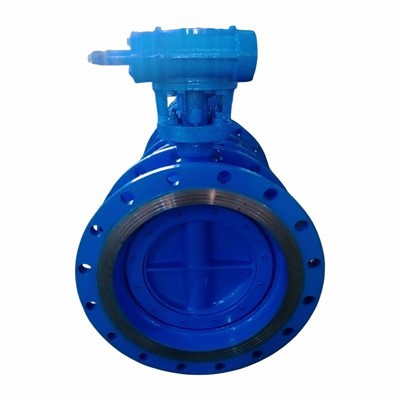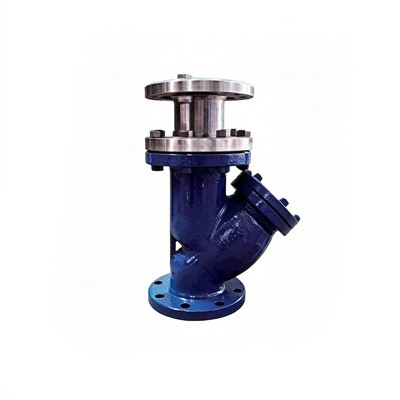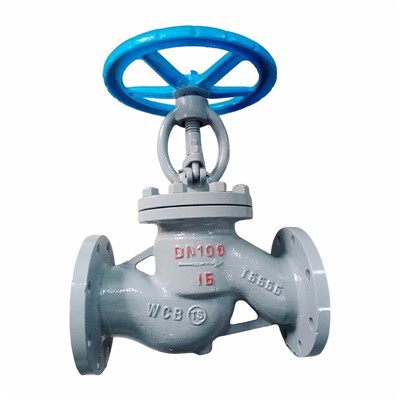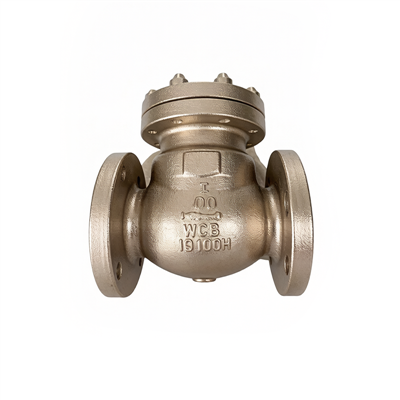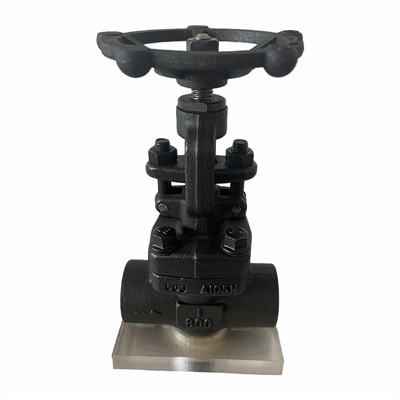
Hey there! As a supplier of Cast Steel Ball Valve, I often get asked about how to lubricate these valves properly. In this blog, I'll walk you through the process step by step, sharing some tips and tricks along the way.
Why Lubricate a Cast Steel Ball Valve?
First off, let's talk about why lubrication is so important. A well - lubricated cast steel ball valve operates more smoothly. It reduces friction between the moving parts, which in turn extends the valve's lifespan. Without proper lubrication, the valve may become stiff, leading to difficulties in opening and closing. This can cause wear and tear on the valve components, and in the worst - case scenario, it might even lead to valve failure.
Tools and Lubricants You'll Need
Before you start lubricating your cast steel ball valve, you'll need to gather a few tools and the right lubricant.
- Tools: You'll need a wrench to remove any access covers or plugs on the valve. A small brush or a syringe can be handy for applying the lubricant precisely.
- Lubricants: There are different types of lubricants available for cast steel ball valves. Silicone - based lubricants are a popular choice because they offer good resistance to high temperatures and chemicals. Graphite - based lubricants are also suitable, especially for valves that operate in high - pressure environments.
Step - by - Step Lubrication Process
Step 1: Shut Down the System
Safety first! Before you start working on the valve, make sure to shut down the system. This means turning off the flow of fluid through the valve and relieving any pressure in the pipeline. You don't want to get sprayed with any fluid while you're working on the valve.
Step 2: Locate the Lubrication Points
Most cast steel ball valves have specific lubrication points. These are usually small holes or ports on the valve body. Refer to the valve's manual to find the exact location of these points. If you don't have the manual, you can often find the information on the manufacturer's website.
Step 3: Clean the Lubrication Points
Use a clean cloth to wipe away any dirt, debris, or old lubricant from the lubrication points. This ensures that the new lubricant can penetrate the valve components properly.


Step 4: Apply the Lubricant
Now it's time to apply the lubricant. If you're using a syringe, fill it with the lubricant and insert the tip into the lubrication point. Slowly squeeze the syringe to dispense the lubricant. If you're using a brush, dip it into the lubricant and apply it directly to the moving parts of the valve, such as the ball and the seats.
Step 5: Operate the Valve
After applying the lubricant, open and close the valve several times. This helps to distribute the lubricant evenly throughout the valve. You should notice that the valve operates more smoothly.
Step 6: Check for Leaks
Once you've finished lubricating and operating the valve, check for any leaks. Look around the valve body and the connections for any signs of fluid seepage. If you find a leak, you may need to tighten the connections or replace any damaged seals.
Tips for Maintaining Your Cast Steel Ball Valve
- Regular Inspections: Make it a habit to inspect your cast steel ball valves regularly. Look for signs of wear, corrosion, or damage. Catching these issues early can save you a lot of time and money in the long run.
- Use the Right Lubricant: As mentioned earlier, choose a lubricant that is suitable for the operating conditions of your valve. If you're not sure which lubricant to use, consult with the valve manufacturer or a professional.
- Follow the Manufacturer's Guidelines: Always follow the manufacturer's instructions for lubrication and maintenance. Different valves may have different requirements, so it's important to read the manual carefully.
Different Types of Cast Steel Ball Valves and Their Lubrication Needs
There are various types of cast steel ball valves, such as Steel Ball Valves and 3 Port Ball Valve. Each type may have slightly different lubrication needs.
- Steel Ball Valves: These valves are commonly used in a wide range of applications. They typically require regular lubrication to ensure smooth operation. The lubrication process is similar to the one described above, but you may need to pay more attention to the seals and gaskets.
- 3 Port Ball Valve: These valves have three ports, which allows for more complex flow control. When lubricating a 3 - port ball valve, make sure to lubricate all the moving parts, including the ball and the ports. You may need to use a smaller brush or syringe to reach all the areas.
Conclusion
Lubricating a cast steel ball valve is an important part of its maintenance. By following the steps outlined in this blog, you can ensure that your valve operates smoothly and has a long lifespan. If you have any questions about lubricating your cast steel ball valve or if you're interested in purchasing high - quality Cast Steel Ball Valve, feel free to reach out. We're here to help you with all your valve needs. Whether you're a small business or a large industrial operation, we can provide the right valves and support for your applications.
References
- Valve Manufacturer's Manuals
- Industry Standards for Valve Lubrication and Maintenance