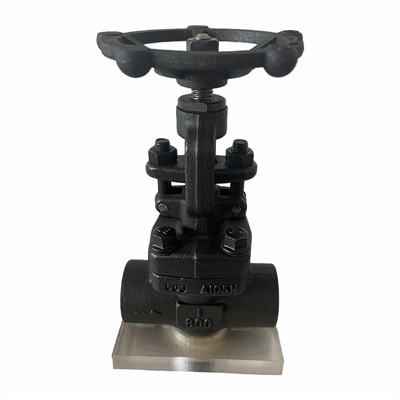
Hey there! As a supplier of globe valves, I've been in the thick of the valve business for quite some time. While globe valves are super useful in a ton of applications, they're not without their drawbacks. In this blog, I'll break down the disadvantages of globe valves, so you can make an informed decision when it comes to your valve needs.
High Pressure Drop
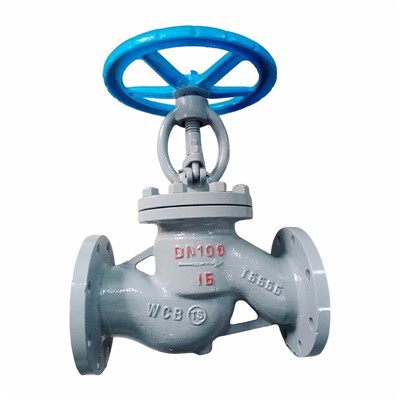
One of the most significant disadvantages of globe valves is the high pressure drop they cause. Unlike some other types of valves, like gate valves, globe valves have a more complex internal structure. The flow of fluid has to make a couple of 90 - degree turns as it passes through the valve. This change in direction creates a lot of resistance, which in turn leads to a significant drop in pressure.


For industries where maintaining a consistent pressure is crucial, this can be a real headache. For example, in a water supply system, a high - pressure drop can mean reduced water flow at the end - user's end. If you're running a large - scale manufacturing plant, the energy required to overcome this pressure drop can add up to a substantial amount of money over time.
Limited Flow Capacity
Globe valves also have a relatively limited flow capacity compared to other valve types. The design of the valve restricts the amount of fluid that can pass through it. The seat and disc arrangement in a globe valve act as a bottleneck, especially when compared to valves like ball valves or butterfly valves.
In applications where a large volume of fluid needs to be transferred quickly, such as in oil and gas pipelines, a globe valve might not be the best choice. You'd end up having to install multiple globe valves in parallel to achieve the required flow rate, which can increase the cost and complexity of the system.
High Maintenance Requirements
Another downside of globe valves is their high maintenance requirements. The internal components of a globe valve, such as the disc and seat, are subject to a lot of wear and tear. The constant movement of the disc against the seat as the valve opens and closes can cause erosion and corrosion over time.
This means that you'll need to regularly inspect and replace these components to ensure the valve functions properly. Maintenance can be time - consuming and expensive, especially if you have a large number of globe valves in your system. And let's not forget that during maintenance, the valve has to be taken out of service, which can disrupt your operations.
Slow Operation
Globe valves are known for their relatively slow operation. Opening and closing a globe valve requires multiple turns of the valve stem. This is in contrast to valves like ball valves, which can be opened or closed with just a quarter - turn.
In situations where quick shut - off or opening is required, such as in emergency situations, the slow operation of a globe valve can be a major drawback. For example, in a chemical plant, if there's a leak, you need to be able to shut off the flow of chemicals immediately. A globe valve might not be able to provide that rapid response.
Cost
Globe valves can be more expensive than some other types of valves. The complex design and the need for precision manufacturing contribute to the higher cost. Additionally, the high maintenance requirements we talked about earlier also add to the overall cost of ownership.
If you're on a tight budget, you might find that other valve types offer a more cost - effective solution for your application. However, it's important to note that in some cases, the benefits of a globe valve, such as its precise flow control, might justify the higher cost.
Types of Globe Valves and Their Associated Disadvantages
Let's take a look at some specific types of globe valves and how these disadvantages might play out.
Threaded Globe Valve
The Threaded Globe Valve is a popular choice for smaller - scale applications. However, the threaded connection can be a source of problems. Over time, the threads can loosen due to vibration or thermal expansion and contraction. This can lead to leaks, which not only waste fluid but can also be a safety hazard.
Cast Steel Stainless Steel Globe Valve
The Cast Steel Stainless Steel Globe Valve is known for its durability. But even these valves have their issues. The casting process can sometimes result in internal defects, such as porosity. These defects can weaken the valve structure and lead to premature failure.
ANSI Steel Globe Valve
The ANSI Steel Globe Valve is designed to meet specific industry standards. However, the strict adherence to these standards can limit its flexibility. If your application has unique requirements that deviate from the ANSI standards, you might find that this valve doesn't fit the bill.
Conclusion
So, there you have it - the main disadvantages of globe valves. While they have their place in many industries, it's important to be aware of these drawbacks before making a decision. If you're in the market for a valve and have concerns about pressure drop, flow capacity, maintenance, operation speed, or cost, you might want to explore other valve options.
But hey, if you think a globe valve is still the right choice for your application, we're here to help. We've got a wide range of high - quality globe valves that can meet your specific needs. Whether you're looking for a Threaded Globe Valve, a Cast Steel Stainless Steel Globe Valve, or an ANSI Steel Globe Valve, we've got you covered.
If you're interested in learning more or want to discuss your valve requirements, don't hesitate to reach out. We're always happy to have a chat and help you find the best valve solution for your project.
References
- Valve Handbook, 4th Edition by Robert W. Fischer and Stephen A. Tomkins
- The Control Valve Handbook by Joseph D. Watson