How to Check the Integrity of a Gate Valve
As a gate valve supplier, ensuring the integrity of our gate valves is of utmost importance. Gate valves are widely used in various industries to control the flow of fluids, and their proper functioning is crucial for the safety and efficiency of the systems they are part of. In this blog post, I will share some key methods and steps to check the integrity of a gate valve.
Visual Inspection
The first step in checking the integrity of a gate valve is a visual inspection. This can provide valuable initial clues about the valve's condition.
- External Appearance: Examine the valve body for any signs of damage, such as cracks, dents, or corrosion. Cracks can compromise the structural integrity of the valve and may lead to leaks. Dents can affect the proper seating of the gate and cause leakage. Corrosion can weaken the valve material over time, reducing its lifespan.
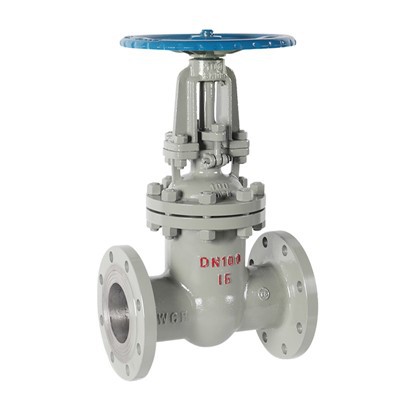
- Flange and Bolt Condition: Check the flanges and bolts that connect the valve to the pipeline. Ensure that the flanges are properly aligned and the bolts are tightened to the correct torque. Loose bolts can cause leaks at the flange connections.
- Handle and Stem: Inspect the valve handle and stem. The handle should operate smoothly without excessive play or binding. A damaged handle or stem can prevent the valve from opening or closing properly.
Pressure Testing
Pressure testing is a critical step in verifying the integrity of a gate valve. It helps to detect any internal leaks that may not be visible during a visual inspection.
- Hydrostatic Testing: This is the most common method of pressure testing for gate valves. Fill the valve with a liquid, usually water, and apply a specified pressure for a certain period. The pressure should be within the valve's rated pressure. Observe the valve for any signs of leakage, such as drops or seepage. If there is a leak, it indicates a problem with the valve's internal components, such as the seat or the gate.
- Air Testing: In some cases, air testing can be used as an alternative to hydrostatic testing. However, air testing is less sensitive than hydrostatic testing and may not detect small leaks. When performing air testing, apply a regulated air pressure to the valve and use a soap solution to check for bubbles, which indicate a leak.
Seat and Seal Inspection
The seat and seal of a gate valve are crucial for preventing leakage. A damaged seat or seal can cause the valve to leak even when fully closed.
- Seat Condition: Inspect the valve seat for any signs of wear, damage, or debris. The seat should be smooth and free of scratches or pits. If the seat is damaged, it may need to be repaired or replaced.
- Seal Material: Check the seal material for signs of deterioration. Different types of seal materials have different temperature and chemical resistance properties. If the seal material is not suitable for the application, it may degrade over time and cause leakage.
Gate Movement and Alignment
The gate of a gate valve should move smoothly and align properly with the seat. Any issues with the gate movement or alignment can affect the valve's performance.
- Gate Operation: Operate the valve several times to check the gate movement. The gate should open and close smoothly without any jerks or resistance. If the gate gets stuck or does not move freely, it may be due to a problem with the stem, the packing, or the gate itself.
- Alignment: Ensure that the gate is properly aligned with the seat. Misalignment can cause uneven wear on the seat and the gate, leading to leakage.
Documentation and Traceability
Maintaining proper documentation and traceability is essential for ensuring the integrity of gate valves.
- Manufacturing Records: Keep records of the valve's manufacturing process, including materials used, quality control tests, and inspection reports. This information can be used to verify the valve's compliance with industry standards and specifications.
- Installation and Maintenance Records: Document the installation and maintenance history of the valve. This includes details such as the date of installation, maintenance procedures performed, and any repairs or replacements made. This information can help to identify any potential issues and ensure that the valve is properly maintained.
Conclusion
Checking the integrity of a gate valve is a multi - step process that involves visual inspection, pressure testing, seat and seal inspection, gate movement and alignment checks, and proper documentation. By following these steps, we can ensure that our gate valves meet the highest quality standards and provide reliable service in various applications.
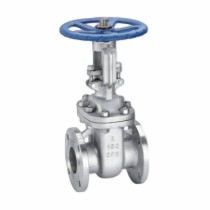
If you are in the market for high - quality gate valves, we offer a wide range of products, including ANSI Stainless Steel Gate Valve, Cast Steel Gate Valve, and Stainless Steel Gate Valve. We are committed to providing our customers with the best products and services. If you have any questions or would like to discuss your specific requirements, please feel free to contact us for procurement and further discussions.


References
- Valve Handbook, 4th Edition, by J. E. Shigley and C. R. Mischke
- ASME Standards for Valve Design and Testing
- API Standards for Oil and Gas Industry Valves